Boston Police Officer Charged in Deadly Carjacking Confrontation as Video Sparks Debate
A Boston police officer is now facing manslaughter charges following a deadly confrontation with a suspected carjacker—an incident that is already fueling serious debate about law enforcement, use-of-force policies, and the split-second decisions officers are forced to make in dangerous situations.
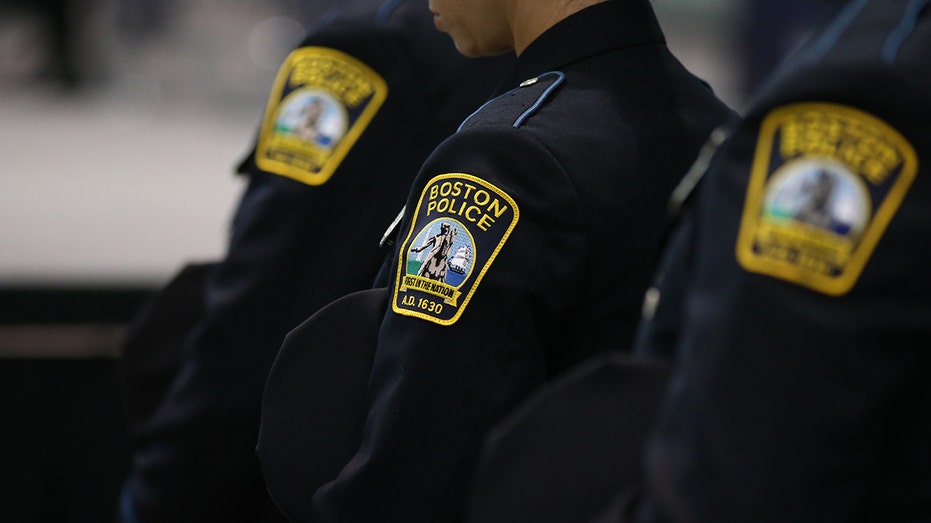
Officer Nicholas O’Malley, 33, of Randolph, Massachusetts, was arraigned Thursday in Roxbury District Court on a charge of voluntary manslaughter in connection with the shooting death of 39-year-old Stephenson King. O’Malley pleaded not guilty. In a strong show of solidarity, dozens of fellow Boston police officers filled the courtroom in support of their colleague.
The judge released O’Malley on his own recognizance with the condition that he surrender his firearms while the case proceeds. He is expected back in court in May.
Violent Carjacking Sparks Armed Response
The incident began when officers responded to reports of a carjacking on Tremont Street. According to investigators, a woman told police she was sitting in the passenger seat of her running vehicle when King allegedly attacked her, forcibly dragged her out, and drove off in her car. Officers quickly located the stolen vehicle and moved to confront the suspect.
Charging documents allege that O’Malley and his partner approached the car with firearms drawn, repeatedly ordering King to show his hands, turn off the engine, and unlock the doors. While King reportedly raised his hands at moments and partially lowered the window, he did not fully comply with commands.
Authorities say the encounter escalated when King allegedly reversed the vehicle into a police cruiser and began shifting between reverse and drive in what investigators described as an attempt to flee. According to court documents, O’Malley warned the suspect he would shoot before firing three rounds through the driver’s side window as the vehicle moved forward again.
King continued driving a short distance before crashing into a stone wall. Officers pulled him from the vehicle and attempted life-saving measures before he was pronounced dead at a hospital. An autopsy later found that he had been struck three times. Two bullets were recovered from his torso and one from inside the vehicle. No weapon was found on King or in the car.
Dispute Over Self-Defense Claim
Following the shooting, O’Malley reportedly told investigators that he believed King was attempting to run the officers down and feared his partner would be crushed. However, prosecutors allege that body camera footage and witness statements indicate neither officer was directly in the vehicle’s path when the shots were fired.
Investigators concluded there was probable cause to charge O’Malley with voluntary manslaughter, asserting that his use of deadly force did not meet the legal standard for proper self-defense or defense of another.
Massachusetts law restricts officers from firing at a moving vehicle unless doing so is necessary to prevent imminent harm, and requires that any force used be proportionate to the threat.
Suffolk County District Attorney Kevin Hayden has stated that the body camera footage will not be released publicly while the investigation remains active. The Boston Police Department has not issued additional public comment on the matter.
A Broader Question About Policing in America
The case is already raising broader concerns about the increasingly intense scrutiny placed on police officers responding to violent crimes. Carjackings are not minor offenses—they are dangerous, life-threatening crimes that leave innocent victims shaken and vulnerable. Officers responding to such calls must make split-second judgments with limited information and high risk.
At the same time, prosecutors maintain that the rule of law applies to everyone, including those who wear the badge. The court will ultimately determine whether Officer O’Malley’s actions were a lawful use of force under extreme pressure or a violation of state standards governing deadly force.
As this case unfolds, it highlights the difficult balance between empowering police to protect communities and holding public officials accountable when their actions cross legal boundaries. With courtroom proceedings ahead, the facts—and the full video evidence—are likely to be closely examined by both supporters of law enforcement and advocates demanding strict oversight.
For now, one officer stands charged, one suspect is dead, and a community waits for answers in a case that cuts to the heart of public safety and justice in America.