Democrats Go Silent as $4 Million in Attack Ads Spotlight Candidate’s Obscene Online Past
Democratic leaders are facing renewed scrutiny after staying noticeably quiet while a wave of multimillion-dollar attack ads targets one of their party’s rising candidates over a controversial online history.
At the center of the storm is Maine state Senate hopeful Graham Platner, whose past posts on Reddit have become the subject of more than $4 million in advertising blitzes aimed at alerting voters to what critics describe as graphic and deeply inappropriate commentary. The unfolding controversy has put national Democrats in a difficult position — and their reluctance to publicly defend the candidate is speaking volumes.
A Costly Political Offensive
The ads reportedly saturating Maine media markets are designed to bring attention to archived online activity allegedly tied to Platner’s past. The dollar figure — $4 million — signals just how seriously opponents view the issue in what could be a competitive race.
Political advertising remains a powerful force in American elections. According to data regularly reported by the Federal Election Commission, outside groups and campaigns are permitted to spend large sums in federal election cycles so long as spending rules are followed. In tight races, such advertising can shape public perception long before voters head to the ballot box.
Maine, long known for its tradition of independent-minded politics, has in recent years become a battleground state in federal elections. The political climate means that even local controversies can have national implications.
The Digital Past Comes Back to Haunt
The issue at hand revolves around posts from Reddit, one of the internet’s largest discussion platforms. Reddit, headquartered in San Francisco, is structured around thousands of topic-based communities known as “subreddits.” The company’s policies on user conduct and content are publicly available on its official site at Reddit’s Content Policy page.
Critics argue that certain archived posts attributed to Platner contain obscene or disturbing commentary that they say is unbecoming of a candidate seeking public office. Supporters counter that the internet era has produced countless instances of youthful indiscretion and that voters should weigh present-day character rather than past digital mistakes.
Still, in the age of permanent digital records, erased posts are rarely truly gone. Political opposition researchers routinely analyze archived online behavior using digital tools and public archives to uncover potential vulnerabilities.
National Democrats Decline Comment
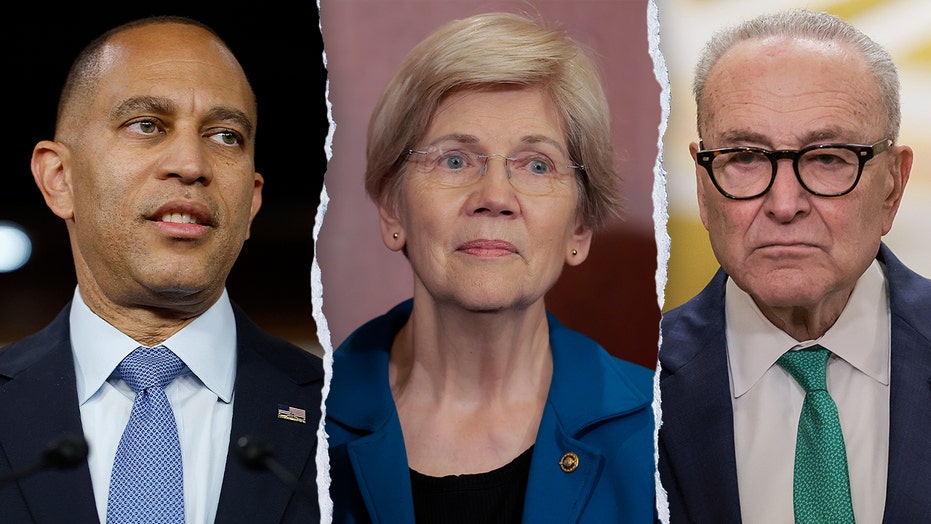
Several top Democratic lawmakers reportedly declined to directly address questions regarding Platner’s online controversy when approached by members of the press.
For party leadership, this presents a strategic dilemma. Publicly defending a controversial candidate risks alienating moderates and independent voters. Condemning the candidate could damage party unity and energize opponents.
This pattern of strategic silence is hardly new in American politics. Party leadership often waits to see whether a controversy gains traction before deciding whether to engage. The calculation is simple: is it better to contain the issue quietly or risk amplifying it?
So far, Democratic leadership appears to be betting on the former.
A Broader Question About Character and Eligibility
Beyond campaign tactics, the story underscores a larger debate unfolding across the country: how should voters evaluate character in the digital age?
Social media histories have derailed campaigns before. Candidates on both sides of the aisle have faced backlash over old tweets, deleted Facebook posts, or statements made on forums years earlier. The permanence of online speech has effectively extended political vetting into every corner of a candidate’s personal history.
For many American voters, especially those concerned about maintaining decency in public life, personal conduct — even in private or pseudonymous settings — carries weight. The expectation is clear: those seeking to represent the public must meet a higher standard.
DOJ to Announce Action in Massive Minnesota Fraud Case
While Democrats grapple with internal controversy, federal authorities are preparing to make major announcements in an alleged fraud case that has already shaken Minnesota.
The U.S. Department of Justice is expected to detail significant developments related to a sprawling scheme that allegedly misused millions in government funds. The case is tied to pandemic-era food aid programs designed to help vulnerable children.
Federal authorities previously announced charges in what they described as one of the largest COVID-related fraud investigations in the country. The alleged misconduct centered on abuse of taxpayer-funded meal programs administered during the pandemic.
According to the DOJ, combating fraud in federal programs is a top priority. The department’s efforts fall under broader federal mandates to protect taxpayer dollars and ensure public trust in emergency relief programs.
The Minnesota case serves as a reminder of the scale of government spending during COVID-19 and the opportunities for abuse when billions of dollars are disbursed in a short period of time.
Allegations Echo in Washington
Adding political tension to the Minnesota developments are questions surrounding potential connections between local figures and national elected officials.
Rep. Ilhan Omar, who represents Minnesota’s 5th Congressional District, has faced questions from critics about alleged associations connected to organizations involved in the broader scandal. Omar has denied wrongdoing and has not been charged with any crime.
Still, critics argue that elected officials bear responsibility to answer questions directly, particularly when massive sums of public money are involved.
The Feeding Our Future investigation, previously described by federal prosecutors, allegedly involved tens of millions of dollars intended for low-income children. According to statements from the Federal Bureau of Investigation, fraud schemes of this size undermine public confidence and divert resources from vulnerable communities.
Former Federal Lawyer Faces Serious Charges
In another development raising alarms about safeguarding sensitive information, a former federal prosecutor has reportedly been charged with unlawfully transmitting sealed court documents tied to a high-profile investigation led by Special Counsel Jack Smith.
Smith was appointed by the Department of Justice to oversee investigations involving former President Donald Trump. Mishandling sealed materials in federal cases can carry severe penalties under U.S. law.
Federal statutes governing the unauthorized removal or retention of classified or protected information are clear. Violating them can result in fines and prison sentences, reflecting the critical importance of maintaining the integrity of the judicial process.
If proven, such misconduct would represent a serious breach of trust within the justice system itself.
Cuban Ex-President Indicted
In a striking international development, former Cuban leader Raúl Castro has reportedly been indicted on charges including murder and conspiracy to kill U.S. nationals.
Castro, who led the Communist regime in Cuba following his brother Fidel Castro, has long been associated with policies that critics argue suppressed political freedom and enabled human rights abuses.
While the practical impact of such an indictment may be limited if the accused remains outside U.S. jurisdiction, the move signals continued efforts by American authorities to pursue accountability for crimes targeting American citizens.
The announcement also underscores enduring tension between the United States and the Cuban Communist Party.
Death Row Execution Draws Attention
An execution carried out in Arizona also drew national attention. The Arizona Department of Corrections, Rehabilitation & Reentry confirmed that a condemned inmate was put to death after being convicted of a brutal 2002 murder.
Capital punishment remains legal in several U.S. states. Debate over the death penalty continues nationwide, with some states abolishing it and others maintaining its use in cases involving particularly heinous crimes.
For victims’ families, such moments can represent long-awaited closure. For critics, they reignite moral and legal debates about the role of the state in administering justice.
Mystery Substance Investigation in New Mexico
Authorities in New Mexico responded to a tragic situation after three individuals were found dead inside a home where an unknown substance prompted the quarantining of multiple first responders.
The investigation, involving local law enforcement and hazmat teams, reflects the complexity of modern emergency response. Agencies such as the Centers for Disease Control and Prevention often provide guidance when unidentified substances pose potential public health risks.
Incidents like this highlight the dangers faced daily by first responders and reinforce the need for proper funding, training, and equipment to protect those who protect our communities.
Cultural Flashpoints and Media Accountability
In the cultural arena, media figures and entertainers continue to influence political discourse. Late-night television, celebrity activism, and social media statements often shape narratives beyond traditional news outlets.
This includes recent commentary from entertainers critical of conservative policies and former President Trump — commentary that has sparked backlash among voters who believe Hollywood routinely pushes progressive talking points while dismissing middle America.
Meanwhile, discussions surrounding major media outlets, including ownership decisions and newsroom layoffs, have fueled broader debates over the future of American journalism.
A Broader Picture Heading Toward November
From campaign controversies and federal indictments to major fraud investigations and international charges, the week’s headlines converge on a central theme: accountability.
Voters heading into the next election cycle are weighing not just policy platforms but questions of character, competence, and stewardship of taxpayer dollars.
- Should digital conduct from years past define a candidate’s present viability?
- Are federal authorities moving aggressively enough to root out pandemic-related fraud?
- How should elected officials respond when accused of indirect ties to wrongdoing?
- What standards apply to those entrusted with sealed legal documents?
These are not abstract debates. They speak directly to public trust — in candidates, in institutions, and in the rule of law.
Trust, Transparency, and the American Voter
At its core, the silence from top Democrats over their candidate’s controversial past may reflect a larger challenge facing modern political parties: navigating an era where transparency is unavoidable and scrutiny is constant.
Americans expect leaders to answer tough questions. They expect federal agencies to protect taxpayer money. They expect accountability at every level — from local school boards to the highest offices in the land.
A free republic depends on informed citizens who demand integrity from those who seek to govern them.
As these stories unfold — from Maine to Minnesota and beyond — voters will decide what matters most in November. Character, fiscal responsibility, national security, and adherence to the rule of law remain pillars of American civic life.
And in an election cycle increasingly defined by sharp contrasts, silence may be just as telling as speech.
Wake Up America News — Your Source for Patriotic News.