Texas Earthquake: GOP Voters Deliver a Clear Message in High-Stakes Senate Showdown
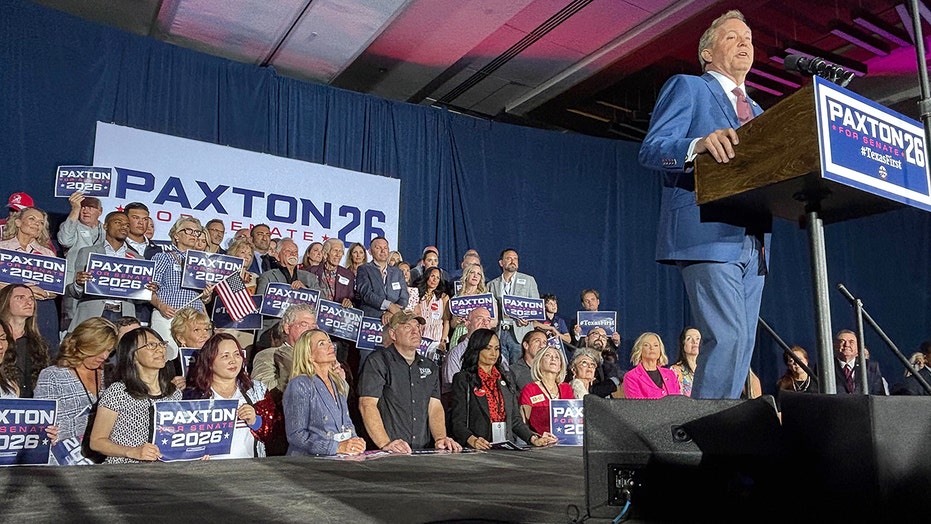
Everything is bigger in Texas — including political consequences. In one of the most closely watched Republican primaries in the country, longtime U.S. Sen. John Cornyn was defeated in a bruising runoff that exposed deep fault lines within the GOP and underscored the enduring influence of President Donald Trump.
The race was more than a contest between two Republicans. It became a referendum on the direction of the party: establishment continuity or unapologetic America First leadership. When the votes were counted, grassroots Republican voters made their choice loud and clear.
The Cornyn Defeat and What It Means for the GOP
Sen. Cornyn, a fixture in Washington who has served in the United States Senate since 2002, built a reputation as a seasoned legislator and party insider. Over more than two decades, he held leadership positions and played a central role in major legislative negotiations.
But this primary was not about seniority. It was about alignment with the priorities of Republican voters in 2026.
His opponent, Texas Attorney General Ken Paxton, whose office operates under the Office of the Attorney General of Texas, campaigned as a staunch Trump ally and constitutional conservative. With a high-profile endorsement from President Trump, Paxton framed the race as a battle between grassroots conservatives and what many see as a disconnected Washington establishment.
The endorsement proved decisive. Trump’s backing continues to carry enormous weight among GOP primary voters, especially in deeply red states like Texas. The result reinforces a political reality: in today’s Republican Party, alignment with America First principles is not optional — it is fundamental.
Trump’s Endorsement Power on Full Display
The Texas Senate race was not an isolated case. Across the state, candidates backed by President Trump saw victories in competitive runoffs. The pattern speaks to enduring loyalty among conservative voters who credit Trump’s administration with strengthening border security, rebuilding the military, cutting taxes, and reshaping the federal judiciary.
Trump’s political organization has positioned itself not merely as an endorsement machine but as a movement rooted in economic nationalism, border enforcement, and a rejection of progressive cultural policies. For many GOP voters, that clarity is preferable to backroom compromise.
The Texas results also serve as a warning to incumbent Republicans nationwide. Voters are paying attention to policy positions on immigration, energy, judicial appointments, and federal spending. Candidates perceived as drifting from conservative priorities may face intense grassroots challenges.
Border Security Remains a Driving Issue
No issue looms larger in Texas than border security. The state has borne the brunt of record illegal crossings in recent years, prompting Gov. Greg Abbott to launch Operation Lone Star, a state-level initiative aimed at curbing unlawful migration.
Republican primary voters consistently rank border enforcement, cartel violence, and fentanyl trafficking among their top concerns. Paxton’s campaign leaned heavily into these issues, pledging aggressive legal action against federal policies that Texas leaders view as inadequate.
For many voters, this was not abstract politics. It was about public safety, jobs, and sovereignty. The runoff results suggest an appetite for confrontation — not accommodation — when it comes to immigration enforcement.
International Tensions: Iran Signals Aggression if U.S. Re-Engages Militarily
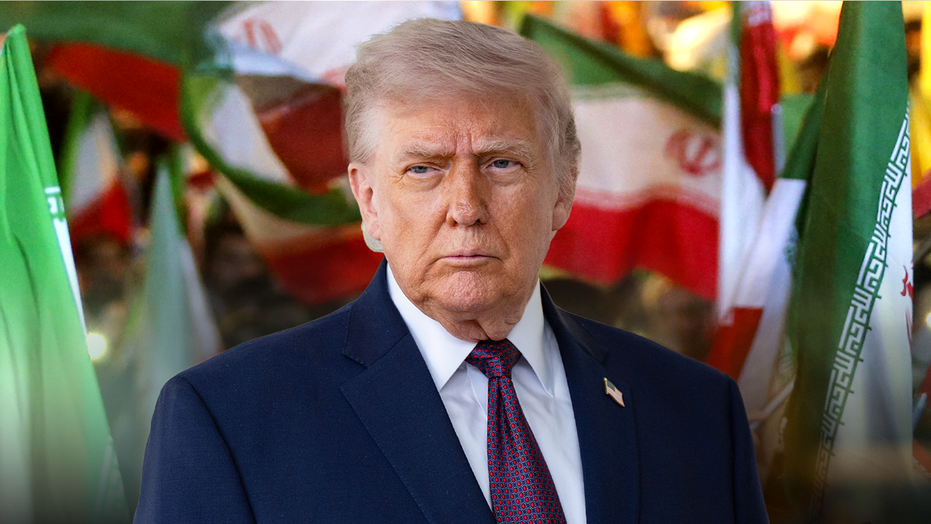
International developments are also shaping the political conversation. Reports indicate that elements within Iran’s Islamic Revolutionary Guard Corps (IRGC) have signaled readiness to respond aggressively should the United States re-enter direct combat operations in the region.
The U.S. Department of State continues to monitor tensions between Iran and Western powers, particularly regarding nuclear activity and naval operations near the Strait of Hormuz — one of the world's most strategically vital shipping chokepoints.
The IRGC, established after the 1979 Islamic Revolution and widely regarded as the regime’s ideological military arm, was officially designated as a Foreign Terrorist Organization by the U.S. in 2019. You can learn more about the organization’s structure and role via Britannica’s overview of the IRGC.
For American voters, particularly veterans and military families, renewed conflict in the Middle East carries serious implications. The memory of prolonged engagements in Iraq and Afghanistan remains fresh. Strength abroad, many argue, must be paired with strategic clarity and a firm defense of U.S. interests.
The Strategic Stakes
- Energy markets and global shipping routes could be disrupted.
- U.S. troops stationed in the region would face elevated risks.
- American allies such as Israel and Gulf states would likely be drawn into direct confrontation.
Foreign policy has historically reshaped domestic political landscapes. The question of deterrence versus escalation remains central to the 2026 debate.
Veterans Speak Out: Purple Heart Recipient Pushes Back
Back home, heated cultural and political battles continue to dominate headlines. A decorated Purple Heart recipient publicly criticized a controversial figure who refused to apologize for mocking service-related trauma.
The Purple Heart, awarded to members of the U.S. military wounded or killed in action, is among the nation’s most solemn honors. The U.S. Department of Defense describes it as a symbol of sacrifice paid in blood.
For veterans, respect is not symbolic — it is personal. Public disputes over military service and the seriousness of PTSD strike at the heart of national values. In a political climate where rhetoric can grow sharp, Americans across the spectrum often agree on at least one principle: those who have served deserve dignity.
The Broader Cultural Divide
Conservatives argue that public discourse has increasingly normalized contempt for institutions once considered sacred — the military, law enforcement, and the faith community. Veterans’ reactions reflect frustration not only with a single statement, but with what they see as a trend of diminishing respect for service.
Whether one agrees with every stance taken in partisan skirmishes, most Americans recognize that national unity depends on shared reverence for sacrifice.
Democratic Party Turbulence: Internal Revolts and Primary Upsets
It wasn’t only Republicans experiencing upheaval this week. A Democratic candidate who previously made inflammatory remarks calling for the imprisonment of “Zionists” faced a voter backlash that ultimately ended in defeat.
The episode highlights growing fractures within the Democratic coalition. Progressive activists, establishment Democrats, and pro-Israel moderates are increasingly at odds over foreign policy and civil discourse.
In another Texas race, one of President Trump’s most vocal Democratic critics in Congress lost a heated primary contest to a fellow Democrat, illustrating instability within blue strongholds as well.
Political volatility is no longer confined to one party. The realignment underway in American politics is structural and ongoing.
Health Battle: Pam Bondi’s Diagnosis After Public Service
Former Florida Attorney General Pam Bondi, who served at the highest levels of federal leadership before stepping down, has reportedly been diagnosed with thyroid cancer.
Thyroid cancer, while often treatable when detected early, requires prompt medical intervention. The National Cancer Institute provides detailed information about causes, treatment options, and survival rates.
Bondi’s diagnosis serves as a reminder that behind partisan roles are human realities. Public servants, no matter their political affiliation, face personal battles that transcend electoral contests.
Sports and Politics: Athletes Navigate a Divided America
Sports remain one of the few arenas capable of uniting Americans across political lines. Yet even locker rooms are not immune from national debates.
A recent dispute involving New York Giants players over attendance at a Trump rally illustrates how athletes increasingly find themselves pulled into political crosscurrents. Super Bowl champions and veteran leaders have urged teammates to keep focus on football while respecting individual viewpoints.
Professional leagues, including the National Football League, have historically tried to balance players’ personal expression with team unity and fan engagement — a delicate task in a polarized era.
Women’s Sports and Legal Challenges
Another headline generating intense reaction centers on a federal court ruling related to a lawsuit challenging USA Fencing’s policies concerning transgender participation in women’s competition.
The governing body, USA Fencing, sets rules for eligibility in national competition. The broader debate mirrors conversations occurring across school districts, athletic associations, and state legislatures nationwide.
Supporters of the lawsuit argue that biological differences matter in competitive sports. Opponents contend that inclusion policies reflect civil rights protections.
While courts sort through complex constitutional and statutory interpretations, the cultural debate shows no sign of cooling. The stakes extend beyond medals — they go to fundamental questions about fairness, identity, and the purpose of Title IX.
Public Safety Concerns After Tourist Area Tragedies
In a separate development raising alarm, authorities are investigating the deaths of multiple women in a popular tourist location. Local law enforcement agencies continue to gather evidence as the community seeks answers.
Incidents like these reignite conversations about public safety, border vulnerabilities, and the capacity of local agencies to respond swiftly to serial threats. Americans traveling domestically expect security and transparency from officials.
Law enforcement partnerships with federal agencies are often key in multi-victim cases, particularly when patterns suggest coordinated or repeat offenses.
Culture Clash: Comedy, California, and the National Mood
The cultural temperature remains high as public figures clash over everything from comedy routines to urban governance. Comedians have entered debates over free speech and shifting social norms, while critics in states like California face growing scrutiny over crime rates, homelessness, and economic pressures.
The city of Los Angeles, operating under the City of Los Angeles, has grappled with persistent quality-of-life concerns. Political opponents argue that progressive policies have contributed to visible urban decline. Supporters counter that California’s economic output still ranks among the largest in the world.
These disputes are not trivial. Migration patterns, housing costs, and taxation influence where Americans choose to live and invest. Cultural perception often affects economic reality.
Gunmaker Lawsuits and Legal Boundaries
A lawsuit targeting a firearm manufacturer following a tragic killing with an antique revolver faces significant legal hurdles, according to legal analysts.
The Protection of Lawful Commerce in Arms Act, passed in 2005, generally shields gun manufacturers from liability when firearms are misused by third parties, with certain exceptions.
Debates over gun policy consistently rank among the most contentious in American politics. Advocates of Second Amendment protections argue that holding manufacturers liable for criminal misuse by individuals undermines constitutional rights. Gun control proponents contend that accountability should be expanded.
The courts once again may serve as the final arbiters in defining the scope of legal responsibility.
Why These Headlines Matter for 2026 and Beyond
Taken together, this week’s developments underscore several core themes shaping America’s direction:
- Movement Republicanism is ascendant. Trump-backed candidates continue to demonstrate grassroots strength.
- Border and security issues remain central. Voters rank sovereignty and law enforcement highly.
- Foreign policy tensions are rising. Iran’s posture adds uncertainty to global stability.
- Cultural debates show no signs of slowing. From sports to comedy to education policies, ideological clashes persist.
- Legal battles will define policy boundaries. Courts are increasingly the arena where political disputes are resolved.
America is navigating a moment of transformation. Established political hierarchies face challenge. Cultural institutions face scrutiny. International adversaries test resolve.
For voters, the message out of Texas and beyond is unmistakable: accountability matters, alignment matters, and convictions matter. Whether on the Senate floor, the campaign trail, the athletic field, or the global stage, leadership will continue to be judged by clarity and courage.
As the 2026 election cycle accelerates, one reality is certain — the American people are engaged, attentive, and ready to shape their nation’s future.
Wake Up America News — Your Source for Patriotic News.