FBI Intensifies Hunt for Accused Cancer Scam Fugitive Who Allegedly Turned Sympathy into Luxury Travel
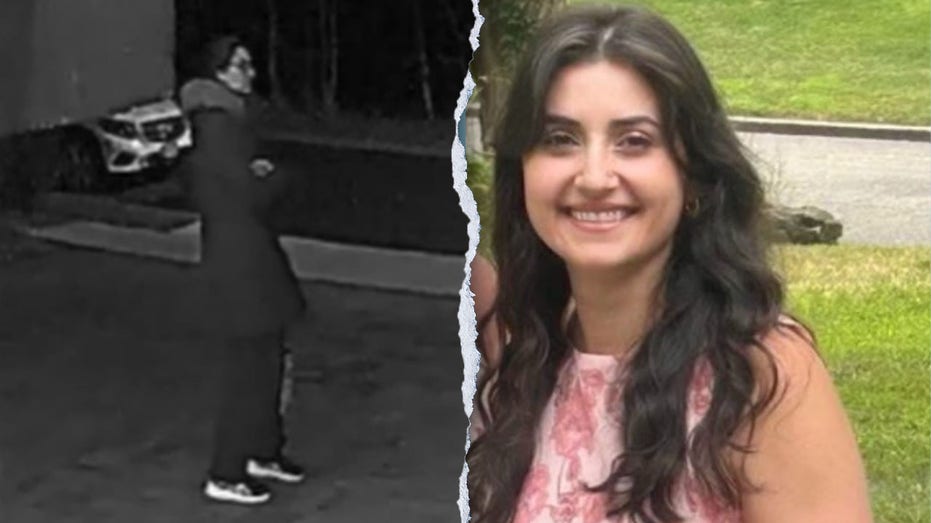
A Pennsylvania woman accused of exploiting the compassion of friends and family by faking a terminal cancer diagnosis is now among the fugitives sought by federal authorities. According to the Federal Bureau of Investigation, 37-year-old Vanessa O’Rourke is wanted on multiple federal charges after allegedly orchestrating a scheme that drained thousands of dollars from supporters who believed they were funding lifesaving medical treatment.
Instead, investigators say the money financed recreational travel overseas — including extended trips to Australia — and everyday expenses unrelated to medical care. The case, first charged in 2018, remains active as O’Rourke has reportedly evaded authorities for years.
Indictment in Federal Court
On May 3, 2018, a federal grand jury in the U.S. District Court for the Eastern District of Pennsylvania returned a 15-count indictment charging O’Rourke with wire fraud. Under 18 U.S.C. § 1343, wire fraud involves using electronic communications — such as online fundraising platforms, email, or financial transfers — to execute a scheme to defraud.
Federal prosecutors allege that between October 2015 and July 2016, O’Rourke knowingly fabricated a diagnosis of glioblastoma, an aggressive and often fatal form of brain cancer. She allegedly told loved ones that traditional treatments had failed and that her remaining hope lay in experimental medical procedures overseas.
A federal arrest warrant was issued following the indictment, and the FBI confirmed on May 23 that she remains at large.
The Alleged Scheme: A Fabricated Battle with Glioblastoma
Glioblastoma is widely recognized as one of the most aggressive brain cancers. According to the National Cancer Institute, it often progresses rapidly and has a poor prognosis even with advanced treatment. The seriousness of such a diagnosis makes it particularly potent in generating sympathy and financial support.
Authorities contend that O’Rourke leveraged that fear and urgency to convince those closest to her that she was terminally ill. She allegedly claimed she needed immediate financial assistance for:
- Specialized cancer treatments beyond standard U.S. medical options
- Experimental therapies in Australia
- Living expenses due to her weakened condition
- Travel costs for lifesaving procedures abroad
Family members and friends reportedly rallied around her. Donations were made directly to O’Rourke, and additional fundraising efforts were organized in her honor. Supporters believed they were helping save her life.
Fundraisers and Online Campaigns
Prosecutors say the alleged deception extended into organized fundraising events and online campaigns designed to cover mounting “medical” costs. At least one benefit event was reportedly held at a restaurant in Pennsylvania, drawing in community members determined to stand by someone they believed was battling a terminal illness.
Authorities also allege that an online donation webpage was launched to collect additional financial assistance. In an age where digital fundraising platforms allow anyone to mobilize thousands of dollars quickly, such campaigns can grow rapidly based on compelling narratives and community trust.
But federal investigators say there was one devastating problem: The illness was allegedly entirely fabricated.
Luxury Travel Instead of Medical Treatment
In April 2016, O’Rourke traveled to Australia. Supporters were reportedly told she was traveling overseas to access experimental medical procedures unavailable in the United States. For those who had donated to her cause, the trip was framed not as vacation, but as a final chance at survival.
Instead, according to investigators, she engaged in sightseeing and recreational activities, and received no legitimate medical treatment related to glioblastoma.
Upon returning to the United States, authorities claim she continued to cultivate the narrative of ongoing illness. Additional fundraising efforts were organized, and more donations flowed in. Prosecutors allege that the funds raised during these events helped finance yet another trip to Australia later in 2016 — again for leisure purposes rather than medical care.
If proven in court, the allegations reveal a deeply personal betrayal: exploiting the compassion of neighbors, friends, and family members for personal enrichment.
Why Emotional Medical Scams Are So Effective
Fraud experts and law enforcement agencies have long warned that medical-related scams are among the most emotionally manipulative forms of fraud. The U.S. Department of Justice Criminal Fraud Section frequently emphasizes that schemes which play on fear, urgency, and life-or-death stakes lower the natural skepticism of victims.
In tight-knit communities, especially, people tend to trust familiar faces. When a suspected victim is a neighbor, coworker, church member, or longtime friend, the instinct is to help — not to verify medical records.
Key factors that make medical fraud schemes particularly effective include:
- Emotional urgency: Terminal diagnoses trigger immediate compassion and action.
- Privacy norms: Most people hesitate to demand proof of personal medical conditions.
- Digital amplification: Online donation platforms rapidly spread personal stories.
- Community trust: Small-town or close community ties reduce suspicion.
According to the Federal Trade Commission, Americans lose billions of dollars annually to various forms of fraud, with emotionally driven scams among the fastest-growing categories.
Part of a Disturbing National Pattern
O’Rourke’s case is not an isolated incident. In recent years, prosecutors across the country have uncovered multiple instances of individuals fabricating cancer diagnoses to raise money.
One of the most widely publicized involved California resident Amanda Riley, who admitted to faking cancer and receiving more than $100,000 in donations. The case gained national attention through the “Scamanda” podcast and subsequent media coverage.
These cases follow a similar blueprint:
- Claim a severe or terminal illness.
- Describe limited or failing treatment options.
- Seek financial support for costly or experimental care.
- Use social media or community networks to spread the story.
Each instance corrodes public trust — not just in individuals, but in genuine fundraising efforts for families facing real medical crises.
The Legal Consequences of Wire Fraud
Wire fraud is a serious federal offense. Under federal law, each count can carry significant prison time and financial penalties if a conviction is secured. The charge applies when interstate electronic communications — such as online donations or bank transfers — are used in furtherance of a scheme to obtain money under false pretenses.
Because many fundraising platforms operate across state lines and rely on electronic payment processing, federal jurisdiction often applies in these types of cases.
If apprehended and convicted, O’Rourke could face substantial legal consequences consistent with federal sentencing guidelines.
The Broader Cost to Communities
Beyond the financial losses, cases like this inflict lasting damage on communities. Donors who believed they were helping someone fight for her life may experience anger, humiliation, and emotional distress upon learning they were deceived.
There is also a ripple effect: legitimate patients battling cancer or other life-threatening illnesses may find it harder to garner support. Skepticism increases, and genuine fundraising efforts can face sharper scrutiny.
Organizations such as the American Cancer Society depend on public generosity to support research and patient services. Fraudulent schemes undermine that spirit of charity and weaken confidence in community-driven aid.
How Americans Can Protect Themselves
While Americans should never lose their generous spirit, vigilance is necessary. Authorities recommend taking reasonable steps before contributing to personal medical fundraisers:
- Confirm that official medical organizations or established charities are involved.
- Be cautious of pressure tactics that demand immediate transfers of funds.
- Maintain written documentation of donations.
- Verify stories through multiple trusted sources when possible.
None of these steps require abandoning compassion — only pairing it with prudent awareness.
FBI Seeks Public Assistance
The FBI continues to request assistance from the public regarding O’Rourke’s whereabouts. Tips can be submitted directly through the FBI’s official website at tips.fbi.gov or through local field offices.
Law enforcement officials emphasize that fugitives often rely on anonymity and distance from prior social networks. Public awareness can be a powerful tool in ensuring accountability.
A Cautionary Tale for the Digital Age
In today’s interconnected society, compassion travels at the speed of the internet. So does deception. The same technology that allows Americans to rally around families facing tragedy can also be misused by individuals who weaponize sympathy.
Cases like this serve as a reminder of two enduring truths: Americans are overwhelmingly generous — and that generosity must be guarded with common sense.
If the allegations against O’Rourke are proven, her case will stand as another stark example of what happens when trust is betrayed and community goodwill is exploited for personal gain.
For now, federal authorities remain focused on locating and arresting her. Until then, the public is urged to remain alert, informed, and steadfast in supporting legitimate causes that truly embody the American spirit of neighbor helping neighbor.
Wake Up America News — Your Source for Patriotic News.