Three Killings Rock Hawaii’s Big Island as Suspect Taken Into Custody After Intensive Manhunt
Residents of Hawaii’s Big Island are breathing a cautious sigh of relief after law enforcement officers arrested a man they had publicly described as “armed and extremely dangerous” in connection with three separate killings discovered over a 48-hour period.
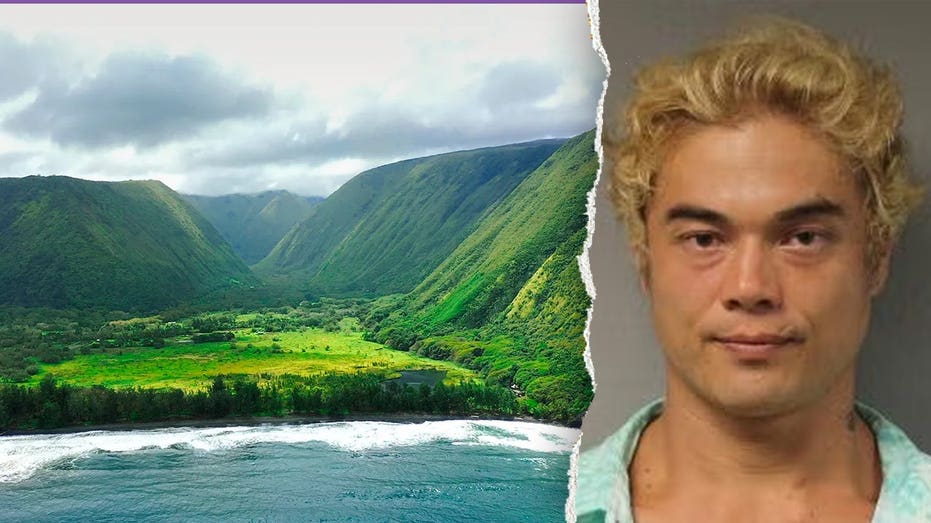
The arrest of 36-year-old Jacob Baker of Pahoa followed a multi-agency manhunt that mobilized local, state, and federal resources across Hawaiʻi County. Authorities say Baker was taken into custody without incident, bringing a tense search to an end but leaving many questions still unanswered.
For a community known more for its natural beauty than violent crime, the back-to-back discoveries of three deceased men — two within a few hundred feet of each other — have shaken public confidence and drawn national attention.
Arrest After Urgent Manhunt
The Hawaiʻi Police Department, which serves Hawaiʻi County on the Big Island, confirmed Thursday evening that Baker had been arrested. He was wanted in connection with three separate deaths occurring in rapid succession.
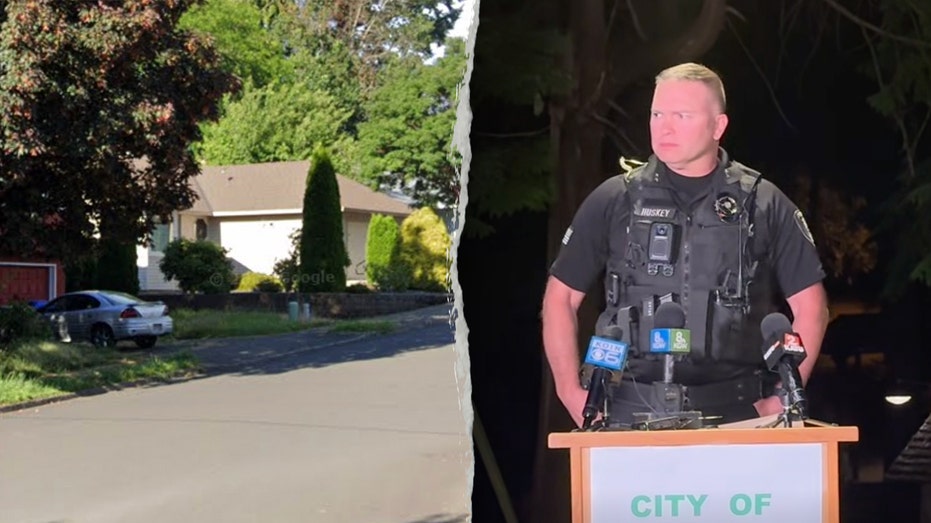
Police Chief Reed Mahuna had earlier warned the public that Baker was considered “armed and extremely dangerous,” urging residents to remain vigilant while law enforcement agencies deployed what he described as “significant resources and personnel” to locate the suspect.
The manhunt involved multiple agencies working in coordination, including:
- The Federal Bureau of Investigation (FBI)
- Homeland Security Investigations (HSI)
- The U.S. Marshals Service
- The Hawaiʻi County Sheriff Division
- Officers from the Hawaiʻi Department of Land and Natural Resources (DLNR)
The coordinated effort underscores both the seriousness of the alleged crimes and the commitment of law enforcement to restore safety to local neighborhoods.
Three Victims in Two Days
The chain of events began Monday, when authorities discovered the body of 69-year-old Robert Shine. According to investigators, Shine was found partially submerged in a cement pond.
An autopsy later determined that Shine died from strangulation — a finding that immediately signaled foul play.
Just one day later, police located the body of a 79-year-old man approximately 400 to 500 feet from where Shine had been discovered. As of the latest updates, the official cause of death for the second victim has not been publicly released.
Later that same Tuesday evening, investigators uncovered the body of 69-year-old John Carse roughly 19 miles away from the initial scene. An autopsy determined that Carse died from sharp force trauma, though the final ruling remains pending toxicology results.
The geographic distance between the second and third discoveries — nearly 20 miles — significantly broadened the scope of the investigation and fueled concerns that the suspect may have been mobile and potentially targeting multiple individuals across the island.
Community in the Crosshairs
These incidents unfolded in Hawaiʻi County on the island commonly referred to as the “Big Island,” the largest island in the Hawaiian chain. Communities such as Pāhoa, where Baker is reported to have lived, are typically quiet and rural.
Violent crime on the Big Island remains relatively low compared to many mainland urban centers. However, when serious crimes do occur, they resonate deeply in close-knit communities where residents often know one another.
Chief Mahuna acknowledged the fear gripping the island during a news conference.
“These are a tragic series of events and our thoughts are with those who are grieving at this time,” Mahuna said. “The Hawaiʻi Police Department understands the fear and concerns incidents like this bring to our community.”
For families of the victims, the arrest marks only the beginning of a long process toward justice.
Limited Details on Evidence and Motive
As of now, authorities have not publicly disclosed the specific evidence that led them to identify Baker as a suspect in all three deaths. Officials have also refrained from commenting on whether the victims knew one another — or whether they had any direct connection to the suspect.
In cases involving multiple homicides within a short timeframe, investigators typically examine patterns such as geographic overlap, witness statements, forensic findings, surveillance footage, and digital records. However, law enforcement agencies often withhold sensitive information while charges are pending to avoid compromising prosecution.
At this stage, officials have not provided a possible motive.
The unknowns leave significant questions:
- Were the killings targeted or random?
- Did the victims have prior contact with Baker?
- Was there a triggering event that escalated into violence?
Until formal charges are detailed in court filings, much of the public narrative remains incomplete.
Failed Restraining Orders Raise Concerns
In a development that has drawn public scrutiny, court records reveal that two women sought temporary restraining orders against Baker shortly before the killings took place.
Both women accused him of harassment and threats at a farm property. One woman alleged in filings that Baker had threatened to kill several women staying on the property, prompting some to leave.
Under Hawaiʻi law, temporary restraining orders are handled through the Hawaiʻi State Judiciary. Judges must determine whether sufficient evidence exists to justify immediate protective measures.
In this case, a judge denied both requests, citing insufficient evidence of harassment.
The denials have sparked renewed discussion about the challenges courts face when evaluating threat-based complaints, particularly in rural areas where documentation or corroborating evidence may be limited.
Protective orders are designed to balance constitutional due process rights with personal safety concerns. However, the standard of evidence required can sometimes leave complainants feeling vulnerable if a judge determines the threshold has not been met.
Background and Local Tensions
According to reporting from The Associated Press, Baker had been living on property owned by his ex-wife in the Puna district, where she cultivated dozens of fruit varieties. Baker reportedly worked on the farm and had performed tasks such as climbing coconut trees.
Local resident Stephen Shaffer told the AP that Baker and his ex-wife eventually had a falling out. Shaffer claimed that his ex-wife sought a restraining order because she felt threatened.
“He just seemed to me, kind of angry,” Shaffer reportedly said.
While personal disputes are not uncommon in tightly knit communities, the escalation of conflict into alleged violence raises serious red flags about untreated anger, instability, or unresolved grievances.
The Role of Federal Agencies
Although primary jurisdiction rests with the Hawaiʻi Police Department, the involvement of federal authorities highlights the scale and urgency of the manhunt.
The FBI often assists in violent crime investigations requiring advanced forensic resources or interagency coordination. The U.S. Marshals Service typically plays a crucial role when suspects are believed to be evading capture, especially if they may cross jurisdictional lines.
Similarly, Homeland Security Investigations can support cases involving interstate activity or digital investigative needs.
The inclusion of DLNR officers also suggests that search efforts may have extended into remote or wilderness areas, which are abundant on the Big Island.
This kind of joint task force approach is a hallmark of modern American law enforcement — leveraging local knowledge with federal resources to protect communities efficiently and decisively.
Public Safety and Preparedness
When authorities label a suspect “armed and extremely dangerous,” it signals both a credible threat and a call for community awareness.
During the manhunt, residents were urged to report suspicious activity and avoid approaching the suspect. Quick cooperation between civilians and law enforcement is often critical in cases where time is of the essence.
Communities across America can draw several lessons from events like this:
- Report threats early: Even if a restraining order is denied, continued documentation and reporting of concerning behavior can help build a case.
- Stay informed: Follow verified updates from local police departments and official government channels.
- Support victims: Violent crime has ripple effects that extend far beyond immediate family.
Strong neighborhoods, alert citizens, and coordinated law enforcement remain America’s best defense against violent acts.
What Comes Next
With Baker now in custody, the case moves from a search-and-capture phase to the judicial process. Prosecutors will determine the specific charges and present evidence in court.
Preliminary hearings, motions, and possible trial proceedings could take months or even years, depending on the complexity of forensic findings and legal challenges.
If convicted, the penalties for multiple homicide-related charges under Hawaiʻi law are severe, potentially including life imprisonment.
For now, the priority shifts to ensuring a thorough, transparent, and constitutionally sound process — one that honors the victims and upholds the rule of law.
A Sobering Reminder
America remains a nation governed by laws and protected by dedicated public servants. When violence erupts — whether in major cities or remote island communities — the response must be swift, coordinated, and rooted in justice.
The arrest in this case is a testament to the professionalism of the men and women in uniform who answered the call. But it is also a solemn reminder that warning signs, community vigilance, and early intervention matter.
As Hawaiʻi County begins to heal, families mourn, and the legal process unfolds, one truth stands firm: safeguarding American communities requires constant commitment from law enforcement and citizens alike.
Wake Up America News will continue to monitor developments as official charges, court proceedings, and further details emerge.