IED Discovered and Destroyed at Alabama’s Primary Drinking Water Source
An improvised explosive device described as “grenade-type” was discovered and safely detonated at the Mobile Area Water and Sewer System (MAWSS) Converse Reservoir Dam in Alabama, raising serious concerns about the safety of America’s critical infrastructure.
The device was located during a routine maintenance dive at the reservoir, which serves as the sole drinking water source for approximately 350,000 residents in the greater Mobile, Alabama region. Authorities confirmed that a coordinated, multi-agency response secured and neutralized the explosive before it could inflict damage on the water supply system or surrounding infrastructure.
The incident is now under active investigation, with local, state, and federal law enforcement working together to determine how the device ended up submerged at one of the region’s most vital public resources.
A Routine Inspection Turns Into a High-Stakes Emergency
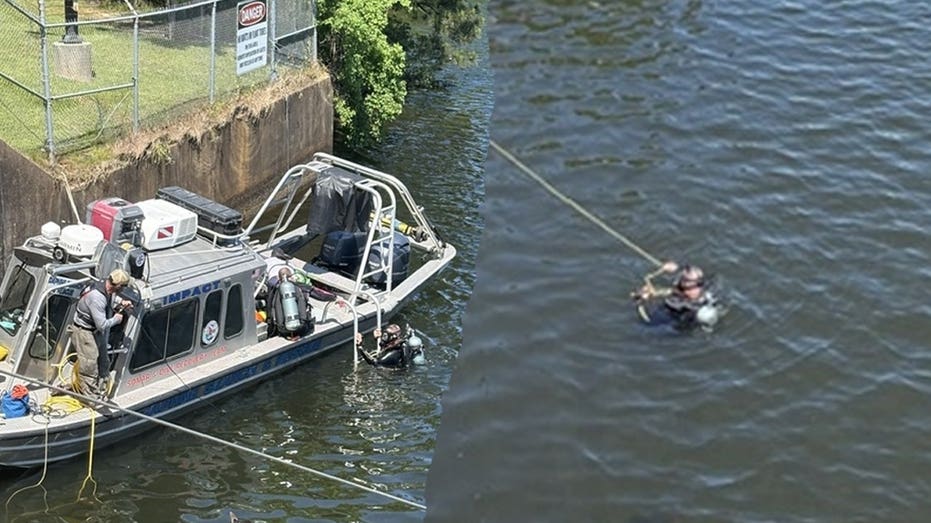
The discovery occurred during a standard dam inspection conducted by divers contracted to survey maintenance conditions around the Converse Reservoir Dam, also known as Big Creek Lake Dam. While conducting underwater assessments, divers identified what appeared to be an improvised explosive device and immediately alerted authorities.
MAWSS officials contacted the Mobile County Sheriff’s Office (MCSO), which quickly escalated the situation. The device was described as a “grenade-type IED,” indicating it had the destructive potential to damage critical structural components of the dam or disrupt the water supply system.
A multi-agency bomb response team was assembled, including personnel from:
- The Federal Bureau of Investigation (FBI) Bomb Squad
- The Mobile Police Department Explosive Ordnance Detail
- The Alabama Law Enforcement Agency (ALEA) Bomb Squad
- The Mobile County Sheriff’s Office
- The Daphne Search and Rescue Team
Working together, the agencies secured the area, evaluated the device, and conducted a controlled detonation to neutralize the threat. Officials confirmed there were no injuries and no interruption to the public water supply.
An “Unprecedented” Threat to Critical Infrastructure
MAWSS Director Bud McCrory characterized the discovery as an “unprecedented threat” to the Mobile area’s drinking water. His assessment underscores the gravity of placing an explosive device at such a strategically important location.
The Converse Reservoir is not just any body of water—it is the sole source of potable drinking water for hundreds of thousands of Alabamians. The lake and dam system are federally recognized as critical infrastructure. According to the Cybersecurity and Infrastructure Security Agency (CISA), water systems are among the nation’s 16 critical infrastructure sectors essential to national security, public health, and economic stability.
Dam infrastructure carries an additional layer of seriousness. The dam at the Converse Reservoir is classified as “high hazard potential.” According to the Federal Emergency Management Agency (FEMA), a high hazard classification means that failure of the structure would “probably cause loss of human life,” regardless of the dam’s physical condition.
In other words, the designation does not necessarily reflect weakness—but it reflects the devastating consequences if something were to go wrong.
Why Water Infrastructure Is a Prime Target
Across the United States, water infrastructure has increasingly been recognized as vulnerable to both cyber and physical threats. Law enforcement and federal agencies have warned in recent years that adversaries—ranging from domestic extremists to foreign actors—may seek to exploit weaknesses in systems that Americans rely on daily.
Water treatment facilities, dams, and reservoirs are particularly attractive targets because they:
- Serve large civilian populations
- Are often geographically expansive and difficult to secure entirely
- Have both physical and digital control systems
- Could cause panic and public disruption if compromised
The discovery of an actual explosive device at a drinking water reservoir transforms theoretical concern into a very real wake-up call.
While officials have not yet indicated whether foul play is confirmed or whether the device could be military surplus, criminally discarded material, or part of a larger scheme, investigators are working to determine:
- How long the device had been in the water
- How it was placed in the reservoir
- Whether it was functional when discovered
- Whether additional devices may be present
The Importance of Multi-Agency Coordination
One positive takeaway from the incident is the swift and effective coordination between local, state, and federal authorities.
The involvement of the FBI Bomb Squad highlights the seriousness of the situation. The Bureau maintains specialized explosive experts trained to deal with improvised devices, which often vary in design, stability, and triggering mechanisms. Meanwhile, ALEA’s bomb squad and local explosive ordnance experts provided regional capability and on-the-ground support.
This layered response demonstrates a functioning security partnership—local first responders identifying threats and federal capabilities stepping in when necessary.
That coordination likely prevented what could have been a far more dangerous situation.
What Could Have Happened?
Though officials have not publicly speculated on worst-case scenarios, the placement of an explosive device near a high hazard dam raises several possibilities.
A detonation near sensitive infrastructure could have:
- Damaged spillway gates or intake structures
- Compromised inspection access points
- Triggered structural instability
- Contaminated water or forced emergency shutdowns
If a dam failure were to occur, downstream flooding could threaten homes, businesses, and lives. Even a partial operational disruption could leave large segments of the population without potable water for extended periods.
In a country as advanced as the United States, we often take for granted that clean water will flow when we turn on a faucet. Incidents like this are stark reminders that such systems require constant supervision and vigilance.
Security Upgrades and Preventative Measures
MAWSS has announced it will continue cooperating with law enforcement to determine how the device ended up in the reservoir and what additional safeguards are necessary.
Security improvements could include:
- Increased surveillance monitoring around the dam perimeter
- Expanded patrol presence
- Restricted access zones
- Enhanced inspection protocols for underwater infrastructure
Water utilities nationwide have in recent years faced calls to modernize both their cybersecurity and physical security measures. Bipartisan efforts in Congress have emphasized strengthening protections for water systems, especially amid warnings from federal intelligence agencies regarding foreign adversaries seeking to probe vulnerabilities.
As part of its broader mission, CISA regularly advises utilities to harden both digital and physical defenses against sabotage, terrorism, and cyber intrusion.
A Reminder of the Stakes
The security of infrastructure is not an abstract policy discussion. It directly affects real families—mothers filling water bottles for their children, small businesses relying on municipal supply, hospitals depending on continuous clean water to operate safely.
In the Mobile area alone, approximately 350,000 Americans depend on the Converse Reservoir as their single source of drinking water. If that system were compromised, the ripple effects would extend far beyond inconvenience.
The fact that trained divers conducting routine maintenance were the ones to uncover the device underscores another important truth: consistent oversight matters. Regular inspection protocols exist precisely to detect anomalies before they become disasters.
The Investigation Continues
At this time, authorities have not released information regarding suspects, motives, or whether the event is being treated as a criminal act or potential terrorism matter. The FBI’s involvement suggests the investigation will include careful examination of forensic evidence.
Investigators will likely analyze:
- The construction and origin of the device’s components
- Serial numbers or manufacturing indicators
- Possible regional patterns involving explosive materials
- Surveillance footage and access logs near the reservoir
If the device was deliberately placed, accountability will be pursued vigorously. The intentional targeting of drinking water infrastructure would constitute a grave criminal offense under federal law.
Vigilance Is Not Optional
America’s water systems are a backbone of civilization, enabling economic productivity, public health, agriculture, and national security. Protecting them is not a partisan issue—it is a matter of basic national resilience.
Incidents like this one in Alabama highlight the need for:
- Continued funding for infrastructure monitoring
- Close coordination between utilities and law enforcement
- Public awareness without public panic
- Strong enforcement of laws protecting critical facilities
Americans expect—and deserve—safe, reliable public services. The professionals who responded to this threat proved that when vigilance meets competence, potential disasters can be averted.
For now, Mobile-area residents can be reassured that their water remains safe and that the explosive device was neutralized before harm could occur. But the episode stands as a sobering reminder: infrastructure security must never be treated as an afterthought.
As the investigation moves forward, one thing remains clear—protecting America’s critical systems requires unwavering attention, robust law enforcement support, and an unshakable commitment to keeping our communities safe.
At Wake Up America News, we will continue to follow developments closely and provide updates as authorities release more information.