Armed Suspect Fatally Shot After Opening Fire Near White House Security Checkpoint
A potentially catastrophic attack near one of the most heavily guarded locations in the world was stopped in seconds Saturday evening, as the U.S. Secret Service shot and killed an armed suspect who allegedly opened fire near a checkpoint just steps from the White House.
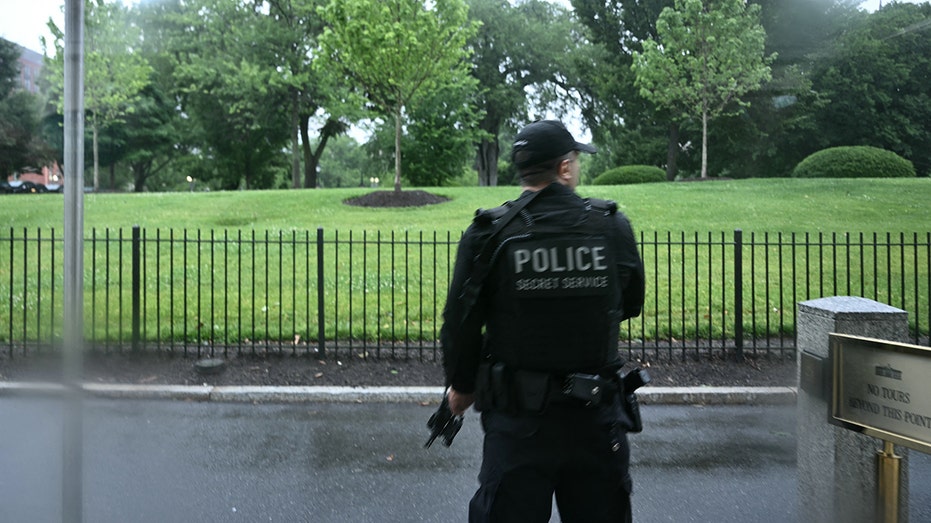
Multiple sources confirmed that the gunman has been identified as 21-year-old Nasire Best of Maryland. According to federal officials, Best approached a Secret Service security post near 17th Street and Pennsylvania Avenue NW in Washington, D.C., removed a firearm from his bag, and began firing toward officers and the White House complex.
The swift and decisive response by federal agents likely prevented a far more devastating outcome. Within moments of the first shots being fired, Secret Service agents returned fire, neutralizing the threat before the suspect ever breached the White House perimeter.
What Happened Near the White House
The incident unfolded at approximately 6 p.m. local time, during one of the busiest periods in the nation’s capital. Tourists and visitors are routinely present in the area surrounding the White House, making any security breach particularly alarming.
According to a senior administration official with direct knowledge of the situation:
- The suspect approached a Secret Service screening area on foot.
- He allegedly pulled a pistol from his bag.
- Roughly three shots were fired in the direction of the White House complex.
- Secret Service agents immediately returned fire.
- The suspect was fatally shot before gaining further access.
As many as 30 shots were reportedly heard in the vicinity, particularly near the Eisenhower Executive Office Building, which houses key personnel serving the President.
Importantly, officials confirmed the suspect never breached the general perimeter of the White House grounds.
The White House complex was temporarily placed on lockdown as a precaution. That lockdown was later lifted after authorities secured the scene.
Bystander Injured in Exchange of Gunfire
An adult bystander on the street was struck during the exchange of gunfire. As of the latest reporting, that individual’s condition has not been publicly disclosed.
Additionally, while all Secret Service personnel were reported safe, one uniformed agent was transported to the hospital as a precautionary measure.
In a heavily populated urban environment, any gunfire carries risk to innocent civilians. That reality underscores both the gravity of the suspect’s alleged actions and the speed with which federal agents moved to contain the situation.
Suspect Had Previous Encounters With Secret Service
Perhaps most troubling are new details about the suspect’s prior contacts with law enforcement.
Sources confirmed that Best had prior encounters with the Secret Service earlier this year:
- On June 26, 2025, he was reportedly detained after flagging down agents and making threats.
- On July 10, 2025, he was detained again for entering a restricted area.
Officials also indicated the suspect had a history of mental health issues.
These prior interactions raise serious questions about how individuals with documented contact involving security concerns should be monitored, evaluated, and potentially restricted when operating near sensitive federal sites.
Security surrounding the White House is among the strictest in the nation — yet this incident demonstrates that even extensive safeguards depend on rapid-response professionals ready to act without hesitation.
Federal Agencies Respond in Force
The response was not limited to the Secret Service.
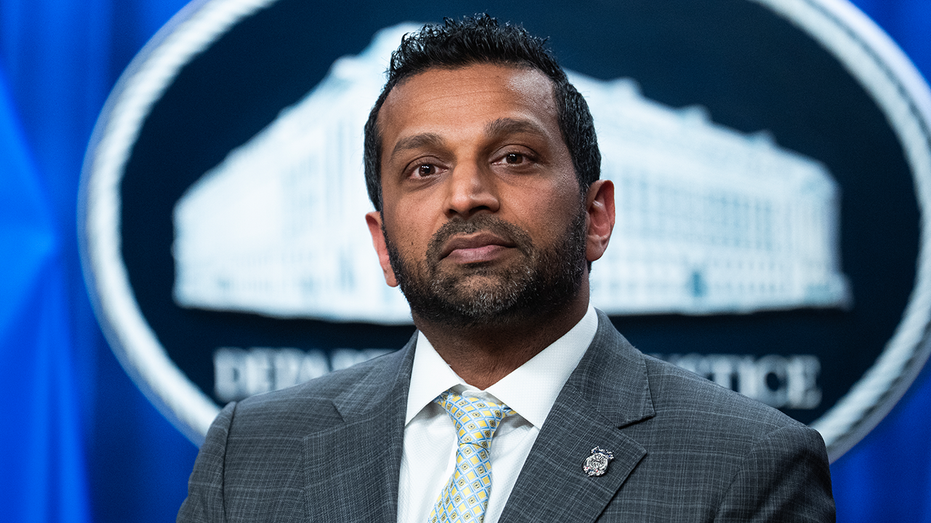
FBI Director Kash Patel confirmed that FBI agents were dispatched to assist in the investigation and support the response. The FBI routinely partners with the Secret Service in incidents involving potential threats to national leadership.
The Bureau of Alcohol, Tobacco, Firearms and Explosives (ATF) also confirmed it responded to the scene, working in coordination with federal and local authorities. The ATF’s role often includes firearms tracing and ballistics analysis.
The Metropolitan Police Department of the District of Columbia assisted with perimeter control and public safety management, given the heavy foot traffic in the area.
Journalists on White House grounds reported hearing agents yell “get down” before members of the press were ushered into the James S. Brady Press Briefing Room in the West Wing for protection.
Images from the scene showed heavily armed officers moving quickly across the complex as part of standard protective protocols.
President Trump Praises Swift Action
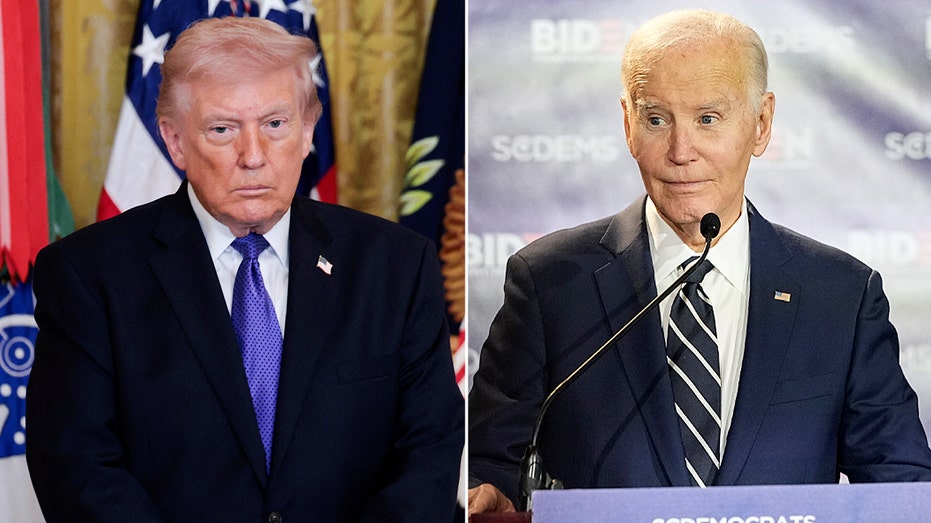
President Donald Trump, who was at the White House during the incident but was not harmed, publicly praised the response early Sunday.
“Thank you to our great Secret Service and Law Enforcement for the swift and professional action taken this evening against a gunman near the White House,” the president wrote. “The gunman is dead after an exchange of gunfire with Secret Service Agents near the White House gates.”
The president emphasized that the suspect had what he described as a violent history and a possible obsession with “our Country’s most cherished structure.”
Trump further argued that the shooting underscores the necessity of maintaining — and strengthening — the already formidable protective measures around the executive mansion, stating that national security demands the most secure presidential complex possible.
The Critical Role of the Secret Service
The United States Secret Service was founded in 1865 and is tasked not only with investigating financial crimes but, more prominently, protecting the President, Vice President, their families, and visiting foreign dignitaries.
The White House security perimeter includes:
- Multiple uniformed checkpoints
- Controlled vehicle and pedestrian screening areas
- Advanced surveillance systems
- Specialized counter-sniper and tactical units
Incidents like Saturday’s demonstrate why such layered security exists. The threat environment around high-profile government institutions has evolved dramatically over the last several decades, requiring vigilance against lone actors and organized threats alike.
While critics often focus on security inconveniences in Washington, events like this serve as stark reminders of the persistent dangers facing the Commander-in-Chief and those who serve nearby.
A Pattern of Heightened Threats?
This shooting came just one month after another high-profile security scare during the White House Correspondents’ Dinner period, intensifying scrutiny over safety protocols around major national events.
Although officials have not indicated any connection between the two incidents, the timing has prompted further discussion about enhanced structural security and controlled-access expansions near the White House complex.
The area around Pennsylvania Avenue — once fully open to vehicle traffic — has, over the years, undergone significant modifications aimed at reducing vulnerability. Concrete barriers, reinforced fencing, and expanded security zones are all part of an evolving protective landscape.
Each new incident inevitably fuels policy debates over how open America’s most symbolic building should remain versus how hardened it must become in an era of unpredictable threats.
Mental Health and Security Concerns
The suspect’s reported history of mental health issues also revives an ongoing national conversation: how should law enforcement agencies handle individuals who display troubling behavior near sensitive government sites?
Balancing civil liberties with proactive intervention is a complex legal and ethical challenge. Agencies must operate within constitutional boundaries while preventing credible threats from escalating into violence.
In this case, authorities acted within seconds once shots were fired — a textbook example of rapid engagement under extraordinary pressure. But the earlier encounters with the suspect are likely to be scrutinized as investigators evaluate whether additional warning signs were present.
The President Was Inside the White House
At the time of the shooting, President Trump had earlier announced from the Oval Office ongoing diplomatic efforts aimed at ending the war with Iran. The president remained secure throughout the event and was not evacuated.
Officials confirmed that the protective bubble surrounding the president functioned exactly as designed.
The continuity of executive leadership, even during unfolding crises, is a cornerstone of American stability. Saturday’s incident put that system to the test — and it held.
A Reminder of the Stakes
The White House is more than just a residence. It is a symbol recognized worldwide — a physical embodiment of American sovereignty, constitutional government, and democratic continuity.
Threats against it are not simply crimes; they are assaults against the heart of the Republic.
Saturday evening could have ended in far greater tragedy. Instead, trained federal agents responded with discipline and professionalism, preventing a volatile situation from spiraling further out of control.
The investigation remains ongoing, with federal and local agencies piecing together the suspect’s motives, background, and weapon procurement history.
For now, one fact is clear: the systems designed to protect the American presidency functioned as intended. In a world where threats can emerge without warning, vigilance, training, and decisive action remain the first and last line of defense.
Wake Up America News will continue monitoring developments and provide updates as more details are confirmed by federal authorities.