Fast-Moving Sandy Fire Puts Simi Valley on High Alert as Crews Battle Wind-Driven Flames
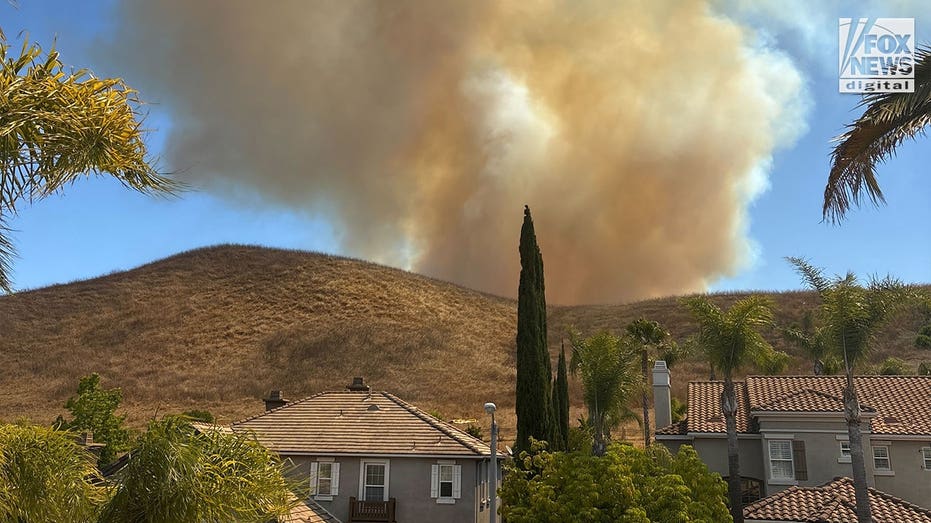
Southern California once again finds itself confronting the harsh realities of wildfire season. A rapidly advancing brush fire, now known as the Sandy Fire, ignited late Monday morning in Ventura County and quickly forced evacuation orders across parts of Simi Valley and nearby communities.
What began as a single spark in dry vegetation soon escalated into a large-scale emergency response involving hundreds of firefighters, multiple aircraft, and regional mutual aid. Within hours, the blaze had grown to more than 800 acres, posing a serious threat to structures and prompting swift action from local authorities.
How the Sandy Fire Ignited
According to the Ventura County Fire Department, the Sandy Fire broke out shortly before 11 a.m. Crews were immediately dispatched to the area as smoke columns began rising over rugged brush terrain.
Authorities later confirmed that the fire appears to have been sparked when a tractor operator accidentally struck a rock while working. The resulting spark ignited dry vegetation, and in a region primed by warm, dry conditions, the flames spread rapidly.
The Simi Valley Police Department received a call around 10:17 a.m. from an individual reporting the accidental strike. Investigators have stated that, at this time, there is no evidence suggesting criminal activity was involved.
Still, what might have been a minor brush fire under different circumstances quickly turned into a major incident due to weather conditions and fuel load. Southern California’s terrain, packed with dry chaparral, is no stranger to explosive fire growth when the wrong conditions align.
Evacuations Ordered in Simi Valley and Beyond
As flames advanced, officials moved swiftly to protect lives. Evacuation orders were issued for portions of Simi Valley and extended toward the City of Thousand Oaks, communities located roughly 40 miles northwest of downtown Los Angeles.
Authorities established a temporary evacuation point at Rancho Santa Susana Community Park in Simi Valley. Families could gather there for assistance, information, and support as firefighters worked to gain control of the blaze.
Emergency managers emphasized that early evacuation orders are a precautionary measure. In fast-moving fires, minutes matter. Proactive decisions can mean the difference between orderly evacuation and life-threatening chaos.
- Evacuation zones were communicated through local emergency alert systems.
- Law enforcement officers conducted door-to-door notifications in threatened neighborhoods.
- Traffic control points were established to facilitate a safe and timely exit.
Residents in surrounding areas were urged to remain vigilant, monitor official updates, and prepare for potential expansion of evacuation zones if fire conditions worsened.
Massive Firefighting Response Mobilized
Approximately 500 personnel were assigned to the Sandy Fire by Monday afternoon. The scale of the response underscores both the seriousness of the threat and California’s coordinated wildfire strategy.
Air resources played a crucial role in slowing the fire’s advance. Officials reported the deployment of:
- Five helicopters conducting targeted water drops
- Three fixed-wing air tankers dispersing fire retardant
- Additional aircraft on standby for reinforcement
Ground crews worked aggressively to cut containment lines ahead of the flames. Bulldozers, hand crews, and engine strike teams from neighboring jurisdictions were called in under California’s mutual aid system. This cooperative framework allows local departments to rapidly assist one another when large incidents overwhelm individual agencies.
“We have a good number of air resources on hand,” a fire department spokesperson said during media briefings. The coordinated air and ground assault was described as “aggressive,” aiming to box in the fire before shifting winds could drive it deeper into residential areas.
Weather: A Constant Wildcard
Weather conditions played a significant role in the fire’s rapid expansion. Winds were reported at approximately 10 mph, driven initially by northeast Santa Ana patterns—well known in Southern California for their ability to fan flames and reduce humidity.
Santa Ana winds, which originate inland and push toward the coast, are notoriously dry and can turn small fires into major incidents within hours. Forecasters indicated that these winds would weaken later in the day and gradually shift onshore from the southwest.
That shift provided cautious optimism for firefighters, as onshore flow tends to bring slightly cooler and more humid marine air. However, warm and dry conditions are expected to persist through Tuesday, maintaining elevated fire danger.
As Californians have learned repeatedly, weather remains the most unpredictable and powerful force in wildfire management.
Regional Fire Activity Raises Broader Concerns
The Sandy Fire was not the only blaze taxing regional resources. Over the weekend, two wildfires erupted in the Antelope Valley north of Los Angeles. Both were eventually fully contained, but they served as a stark reminder that the broader Southern California region remains vulnerable.
Additionally, crews were responding to the Burro Fire in the Angeles National Forest, which expanded to at least 30 acres. The forest, located in neighboring Los Angeles County, is managed by the U.S. Forest Service and has historically experienced significant wildfire activity.
The Los Angeles County Fire Department and federal authorities were actively engaged in suppressing that blaze while coordinating with regional partners managing the Sandy Fire.
This overlapping fire activity stretches resources thin and forces decision-makers to prioritize aircraft and specialized crews. California’s robust mutual aid agreements help, but simultaneous fires always raise the stakes.
Lessons From the Devastating 2025 Fire Season
The region is still recovering emotionally and structurally from the catastrophic 2025 Palisades and Eaton fires, which erupted within hours of each other on January 7, 2025. Those devastating blazes destroyed thousands of acres and caused significant property damage.
While official reviews of those fires continue, the events reinforced several hard truths:
- Wildfire seasons are lengthening due to prolonged drought and fuel buildup.
- Urban-wildland interfaces place more homes in harm’s way.
- Rapid evacuation planning is essential.
Communities across Ventura and Los Angeles counties have since increased public education campaigns on defensible space and emergency preparedness. Residents are urged to maintain at least 100 feet of defensible space around their homes, clear gutters, and keep vegetation trimmed back.
The Sandy Fire, though smaller in scale compared to past disasters, serves as a reminder that Southern California cannot afford complacency.
The Importance of Infrastructure and Emergency Preparedness
Simi Valley and surrounding communities represent the modern American suburban frontier—where neighborhoods, schools, and local businesses sit alongside natural hillsides and open spaces. That proximity to nature offers beauty and quality of life but carries inherent risk.
Local officials, guided by state and federal fire standards, have invested significantly in:
- Improved emergency alert systems
- Expanded firebreaks and fuel reduction projects
- Interagency coordination protocols
California’s statewide fire coordination framework, supported by agencies like the California Governor’s Office of Emergency Services and local fire authorities, ensures that help can be mobilized rapidly across county lines.
Yet even the most sophisticated system depends on individual responsibility. Equipment operators, landowners, and contractors must remain diligent, especially during high fire danger periods. A single spark—whether from machinery, vehicles, or neglected equipment—can set entire communities at risk.
Community Resilience on Display
Despite uncertainty and concern, stories of community resilience quickly emerged. Neighbors assisted one another with evacuations, local volunteers provided aid at the temporary shelter site, and first responders worked extended shifts under difficult conditions.
This cooperation reflects something uniquely American—the willingness of citizens to step forward in moments of adversity. Firefighters, many of whom risk their lives annually, once again demonstrated courage and professionalism under pressure.
In wildfire country, courage isn’t theoretical. It’s measured in long hours on the fireline, careful coordination from command centers, and split-second decisions made to protect lives and property.
The Sandy Fire underscores that preparedness is not merely a policy issue—it is a civic duty shared by communities and the brave men and women who serve them.
What Residents Should Know Moving Forward
As containment efforts continue, officials advise residents to:
- Monitor official updates from local fire and police departments.
- Respect evacuation orders immediately without delay.
- Prepare emergency “go bags” during peak fire months.
- Stay clear of active fire zones to allow crews to work safely.
Even after flames are contained, hazards can persist. Smoldering hot spots, weakened trees, and unstable slopes present ongoing risks in burned areas.
Air quality is another concern. Smoke from wildfires can travel miles, affecting individuals with respiratory conditions. Residents should pay attention to local advisories and limit outdoor activity if necessary.
A Critical Moment—but Not an Unfamiliar One
The Sandy Fire represents yet another chapter in Southern California’s long history of wildfire battles. Though still under investigation and containment, the early, decisive response likely prevented even more widespread damage.
America’s first responders once again stepped forward, demonstrating professionalism and commitment. Mutual aid partners answered the call. Aircrews executed precision retardant drops. And local leaders communicated swiftly to protect residents.
While nature cannot be fully controlled, preparedness, accountability, and strong interagency cooperation remain the best defense.
For now, families in Simi Valley and surrounding communities wait for containment lines to hold. Firefighters remain on the front lines. And Southern California watches closely—aware that in the Golden State, vigilance during fire season is not optional. It is essential.
Wake Up America News will continue monitoring developments as officials provide updated acreage and containment figures.