Record-Breaking Coaster at Cedar Point Temporarily Suspends Riders—Twice in One Weekend
For generations, Six Flags Cedar Point in Sandusky, Ohio, has proudly called itself the “Roller Coaster Capital of the World.” But even the most technologically advanced thrill rides can hit a pause button when safety systems detect a potential issue.
Over a recent weekend, Cedar Point’s newest headline attraction—Siren’s Curse—was brought to a temporary standstill not once, but twice. Riders found themselves paused in a dramatic vertical position as the coaster’s onboard safety mechanisms triggered precautionary shutdowns on both Saturday and Sunday.
Park officials emphasized that all riders remained safe and that the ride’s automated systems functioned exactly as designed. After thorough inspections each day, operations resumed, and guests were able to continue their thrill-seeking experience.
A High-Tech Thrill Ride with a Unique Twist
Siren’s Curse is not your average roller coaster. Marketed as the tallest, fastest, and longest tilt coaster in North America, the ride is engineered to deliver a uniquely intense experience that sets it apart from conventional steel coasters.
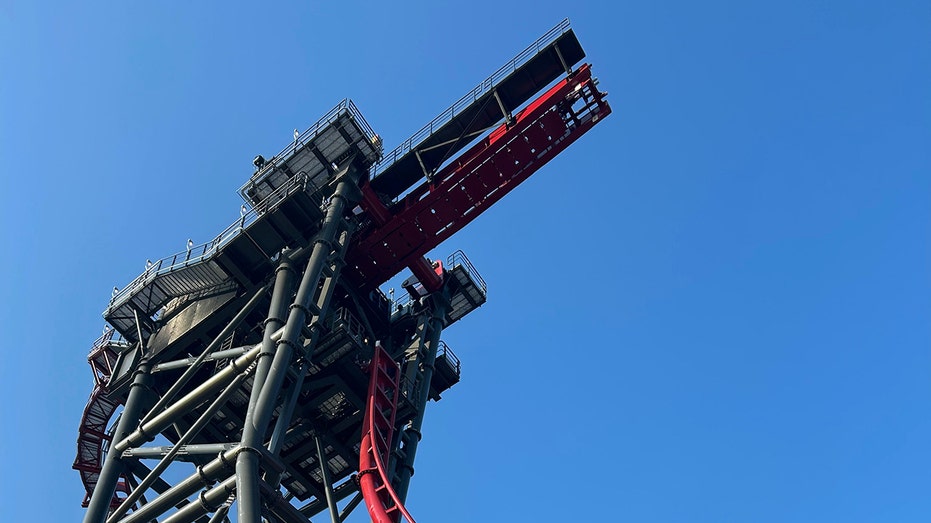
Unlike most rides, Siren’s Curse features a tilt track element. Riders are lifted up a steep incline before the track segment beneath them gradually tilts into a 90-degree vertical position. For a brief but dramatic moment, guests stare straight down at the ground below before the track locks into place and releases them into the first drop.
This mechanical innovation requires advanced synchronization among the train, track, sensors, and control systems. When all components align, riders experience a seamless and heart-pounding plunge. However, because of the complexity involved, the system includes numerous automated safety checkpoints designed to halt operation if any irregularity is detected.
- Tilt mechanism requiring precise alignment
- Multiple onboard sensors monitoring speed, position, and structural integrity
- Computerized control systems overseeing timing and locking sequences
- Redundant safety protocols designed to stop operation at the first sign of anomaly
It was these safety features that triggered the pauses over the weekend.
What Happened Over the Weekend
According to local reports and park representatives, Siren’s Curse experienced what officials described as “technical delays” on both Saturday and Sunday. A spokesperson explained that the incidents were comparable to a “check-engine light” activating in a vehicle—an alert that prompts inspection before continuing operation.
The coaster was paused while riders were suspended vertically during the tilt phase. While certainly an intense position to be temporarily stuck in, the trains remained securely locked in place.
Park officials stated that the automated safety system detected a condition requiring attention and immediately initiated a shutdown. After completing comprehensive system checks, maintenance teams cleared the ride for operation, and it reopened to guests shortly thereafter on both days.
Importantly, there were no reports of injuries. Guests remained secure in their restraints throughout the pauses.
Similar Incident on Opening Weekend
This wasn’t the first time Siren’s Curse drew headlines for a precautionary pause. When the ride first opened in June 2025, it experienced a comparable delay on day one. Riders were briefly suspended in a vertical position for approximately 10 minutes before the ride resumed operation.
While critics may be quick to question repeat interruptions, industry experts frequently note that new attractions—particularly innovative, complex designs—often undergo fine-tuning during their first season in operation.
Cedar Point has a long history of introducing cutting-edge attractions. That reputation comes with advanced engineering systems designed not only to thrill, but to err on the side of caution when anything appears out of the ordinary.
Cedar Point’s Safety Record and Oversight
Ohio’s amusement ride industry operates under state-level oversight. The Ohio Department of Agriculture’s Amusement Ride Safety Division is responsible for inspections and ensuring compliance with state laws and safety regulations.
Amusement parks such as Cedar Point must adhere to routine inspections, maintenance logging, and safety training requirements. Rides are subject to:
- Pre-season inspections before opening each year
- Periodic in-season inspections
- Daily operational safety checks conducted by maintenance crews
- Immediate shutdown protocols triggered by diagnostic systems
The U.S. Consumer Product Safety Commission (CPSC) also provides injury tracking and safety oversight guidance for amusement rides operating across the country.
While dramatic visuals of riders suspended midair can spark concern, safety experts consistently note that automated stoppages are a sign the system is working—not failing.
Understanding Tilt Coaster Technology
Tilt coasters are a relatively rare breed in the roller coaster world. Unlike traditional chain-lift coasters, a tilt coaster uses a movable track segment to achieve its signature vertical drop.
Manufacturers design these rides with redundant locking mechanisms. Before any drop occurs, the system confirms:
- The train is properly positioned in the tilt cradle
- The pivoting track is fully rotated
- Hydraulic or mechanical systems are secured
- Electronic locks are engaged
If any one of these steps does not meet programmed specifications, the system halts. Riders may feel the dramatic wait, but it prevents a potentially unsafe release.
Across the industry, similar pauses are not uncommon for complex launches, lift hills, or tilting segments. Large parks frequently pause rides for weather fluctuations, sensor communication errors, or minor mechanical adjustments.
The Bigger Picture: Innovation vs. Reliability
Cedar Point has built its reputation on pushing engineering boundaries. From Magnum XL-200—once the world’s tallest and fastest roller coaster—to Millennium Force and Steel Vengeance, the park routinely leads the industry.
Innovation, however, comes with complexity. The more advanced the ride, the more interconnected systems must operate flawlessly. Modern coasters rely heavily on digital monitoring, real-time diagnostics, and computer oversight.
These sophisticated systems reduce risk but increase sensitivity. In decades past, mechanical systems might have continued operating despite minor variances. Today’s attractions are intentionally programmed to stop first and evaluate second.
In a safety-first environment, that conservative approach is a feature—not a flaw.
Public Perception and Social Media Amplification
When riders are seen hanging vertically 100 feet or more above the ground, it naturally grabs attention. In the era of smartphones and viral videos, even short operational pauses can spread quickly across social platforms.
Images of suspended trains often appear more dramatic than the underlying technical reality. A locked train held securely by redundant systems is very different from an uncontrolled malfunction.
Park officials were quick to reassure the public that, in both weekend situations, the train remained safely immobilized while inspections were performed.
Tourism and the American Amusement Industry
Cedar Point is more than just a local thrill ride destination—it is a cornerstone of tourism in northern Ohio. Sandusky sits along the shores of Lake Erie, and the park attracts millions of visitors annually.
The amusement industry contributes billions of dollars to the U.S. economy each year, according to industry associations. Major parks invest heavily in safety training, engineering upgrades, and preventative maintenance to preserve public trust.
For families planning summer vacations or patriotic road trips across our great nation, parks like Cedar Point represent a uniquely American form of entertainment—celebrating innovation, daring design, and wholesome fun.
What This Means for Riders
So should thrill-seekers worry?
Based on official statements and the quick reopening of the ride after both delays, the answer appears to be no. The stoppages were precautionary and controlled.
- No injuries were reported.
- The safety system activated as designed.
- Maintenance inspections were completed before reopening.
- Operations resumed the same day.
For cautious riders, these events serve as a reminder that modern attractions operate under layers of oversight and technological safeguards.
America’s Leadership in Engineering and Entertainment
At its core, this story reflects something larger about American ingenuity. Our nation continues to lead the world in entertainment engineering. Parks like Cedar Point showcase homegrown creativity mixed with global manufacturing expertise.
The willingness to push limits—while embedding rigorous safety protocols—demonstrates the balance that defines responsible innovation.
Siren’s Curse may have paused twice in one weekend, but the system designed to protect riders did exactly what it was built to do: detect, stop, inspect, and resume safely.
The Bottom Line
Thrill rides are designed to challenge nerves and deliver adrenaline. Temporary delays, while inconvenient and sometimes dramatic, are often signs of functioning safety infrastructure rather than systemic danger.
Cedar Point’s handling of Siren’s Curse over the weekend underscores the reality that America’s top amusement parks prioritize safety above spectacle.
As the summer season continues and families flock to parks across the country, riders can take confidence in the layers of oversight—from state regulators like the Ohio Department of Agriculture to national bodies like the CPSC—that help ensure these attractions remain thrilling but secure.
For now, Siren’s Curse remains open and operational at Cedar Point, continuing to test the courage of riders willing to hang vertically before taking the plunge. And while a “check engine” moment may spark headlines, it’s ultimately a reminder that American engineering places safety first—even at 90 degrees.
Wake Up America News — Your Source for Patriotic News.