Federal Authorities Crack Down on Alleged Coordinated Campaign Targeting University of Michigan Over Israel Ties
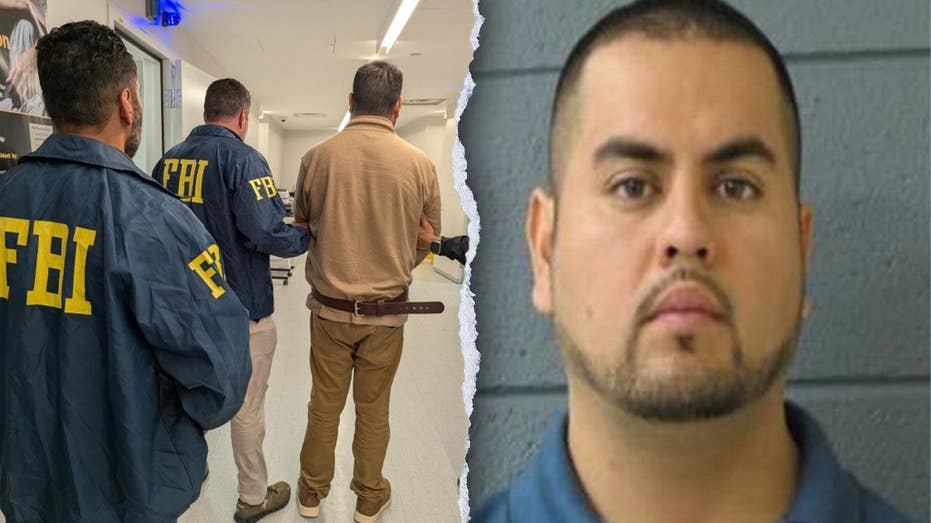
Federal law enforcement officials have arrested seven individuals accused of orchestrating what investigators describe as a sustained and deliberate campaign of intimidation, vandalism, and threats aimed at the University of Michigan and several Jewish-linked institutions across the state.
According to an indictment unsealed this week, the suspects allegedly engaged in a year-long effort to pressure university leaders, business owners, elected officials, and community organizations to sever ties with Israel. Authorities say the campaign escalated from targeted harassment to serious property destruction — including attacks on private homes where families, including children, were present.
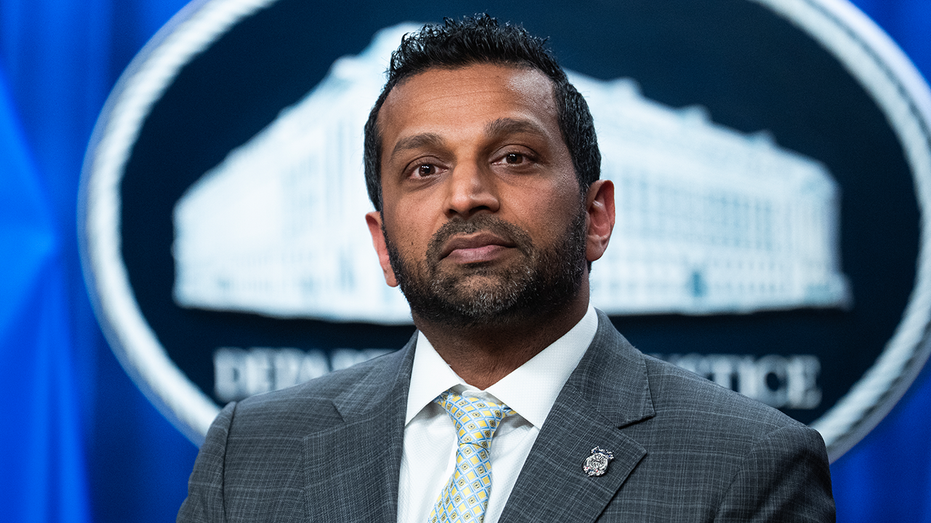
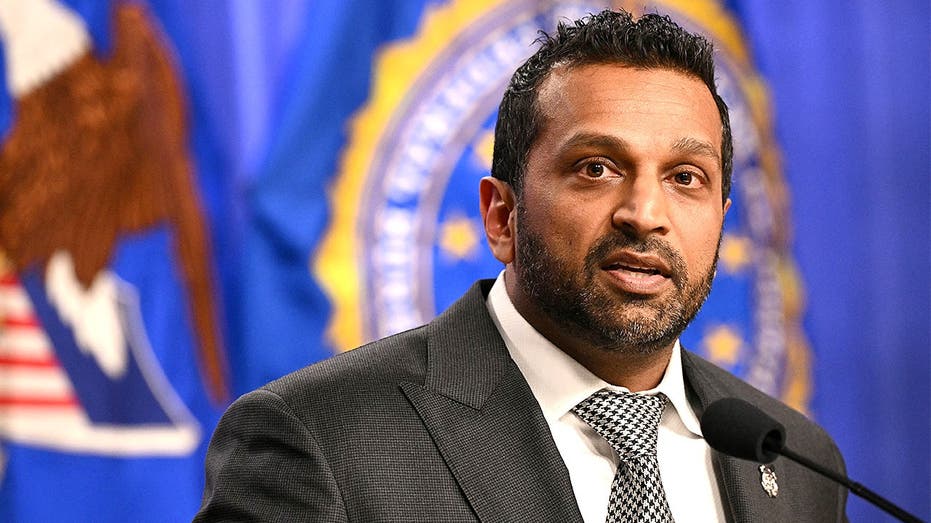
Federal Bureau of Investigation Director Kash Patel announced the arrests Wednesday, underscoring that intimidation and politically motivated violence have no place in American civic life. The investigation was led by the FBI’s Detroit Field Office, working in coordination with state and local law enforcement across Michigan and neighboring states.
The Alleged “Campaign of Violence”
Federal prosecutors allege that the seven defendants coordinated their activities between March 2024 and April 2025. The indictment claims they used encrypted messaging apps, private group chats, and social media platforms to identify targets, plan actions, and publicize their efforts.
Investigators say the effort focused on individuals and organizations perceived to have ties to Israel or Jewish causes, amid heightened tensions following the October 7, 2023 terrorist attack carried out by Hamas, which the U.S. government designates as a foreign terrorist organization.
Among the actions described in court documents:
- Spray-painting private residences with phrases such as “Intifada” and “Free Palestine.”
- Leaving threatening notes at victims’ homes.
- Breaking windows and damaging personal property.
- Throwing glass jars allegedly filled with chemicals into residential properties.
Authorities allege that some of the most brazen incidents occurred on October 7, 2024 — the one-year anniversary of the Hamas attack on Israel. Law enforcement officials say that date was deliberately selected to amplify the political symbolism of the acts.
One suspect is accused of targeting a Jewish community institution in Bloomfield Township, widely understood to be affiliated with the Jewish Federation of Metropolitan Detroit. Another defendant, who was reportedly employed by the University of Michigan at the time, allegedly vandalized the home of the university’s president.
Homes Targeted While Families Slept
Perhaps the most disturbing allegations involve attacks on private residences. According to federal authorities, some actions occurred while families — including young children — were asleep inside.
Breaking glass and throwing objects into homes is not protest; it is a frightening escalation that risks physical injury or worse. Prosecutors argue that such conduct reflects a conscious effort to terrify political opponents into submission.
Director Patel made clear that federal law enforcement views these acts not as political speech, but as criminal conduct.
“These individuals spent over a year allegedly engaging in a targeted, coordinated campaign of violence and intimidation,” Patel said. “They vandalized property, left threatening messages, and even violently attacked homes while children slept inside.”
While the defendants are presumed innocent until proven guilty in court, the charges underscore growing concern about politically motivated harassment masquerading as activism.
Charges and Federal Law
The seven arrested individuals have been charged with conspiracy to transmit threats in interstate and foreign commerce. These charges stem from federal statutes that prohibit the use of communication systems — including online platforms — to transmit threats across state lines.
Under federal law, transmitting threats electronically is not protected free speech. The statute applies whether threats are sent via text message, email, encrypted messaging services, or social media.
Federal prosecutors allege that the defendants used modern digital tools to coordinate and amplify their activities across multiple states, including Michigan, Illinois, and Wisconsin. Multi-state operations elevate the seriousness of alleged conduct and often trigger federal jurisdiction.
The investigation highlights the expanding role of digital forensics in modern law enforcement. Encrypted applications may provide layers of privacy, but communications can still become evidence when accessed through lawful court orders.
University of Michigan at the Center of Tensions
The University of Michigan, one of the nation’s leading public research universities, has faced intense activism in the wake of the Israel-Hamas conflict. Like many major campuses across America, it has experienced protests, divestment campaigns, and political pressure from various sides of the debate.
Universities are constitutionally protected arenas for free expression. However, there is a bright legal line between peaceful advocacy and criminal intimidation.
The alleged targeting of university officials — including vandalism at a university president’s private residence — raises serious concerns about the safety of faculty and administrators nationwide. Public servants and academic leaders are increasingly finding themselves in the crosshairs of politicized hostility.
At issue in many campus protests has been whether institutions should maintain financial, research, or academic partnerships connected to Israel. Critics of such ties argue for divestment, while others view those partnerships as part of global academic collaboration.
Whatever position one takes in that debate, federal authorities are emphasizing a critical distinction: political disagreements must remain within the bounds of the law.
A Broader National Context
Since the October 7, 2023 terrorist attack in Israel, the United States has experienced heightened tensions, including spikes in reported antisemitic incidents. According to data compiled by organizations such as the Anti-Defamation League, threats and harassment targeting Jewish Americans have increased in several regions.
The phrase “Intifada,” allegedly spray-painted during some of the incidents, refers historically to Palestinian uprisings against Israel. In the American context, the term can carry inflammatory or violent connotations, particularly when used in connection with property damage or threats.
Law enforcement officials are increasingly concerned about the normalization of rhetoric that romanticizes or glorifies foreign violence within domestic political activism.
It is important to note that the overwhelming majority of Americans who express views about Middle East policy do so peacefully and lawfully. The First Amendment robustly protects political speech, protest, and advocacy.
But federal officials stress that when advocacy crosses into vandalism, intimidation, or threats — especially coordinated campaigns targeting private homes — it becomes a matter for criminal prosecution.
Coordinated Multi-State Enforcement Effort
The arrests capped what officials described as a “thorough, rigorous investigation” led by the FBI’s Detroit division. Coordination extended across Michigan, Illinois, and Wisconsin.
Multi-state investigations often require cooperation between:
- Local police departments.
- State law enforcement agencies.
- Federal prosecutors and U.S. Attorneys.
- Digital forensic specialists.
Such collaboration allows authorities to piece together communications, travel records, and digital footprints that may span jurisdictions.
Federal officials emphasized that their response was careful and deliberate, aiming to build a solid evidentiary record before moving forward with arrests.
Free Speech vs. Criminal Conduct
America’s constitutional system protects even unpopular or controversial opinions. The First Amendment guarantees the right to speak, assemble, and petition the government.
However, the Supreme Court has long held that “true threats,” vandalism, and criminal conspiracy fall outside First Amendment protections. Destroying property or attempting to instill fear through intimidation is not political discourse — it is unlawful conduct.
This case highlights a broader national conversation: how to safeguard robust debate while preventing intimidation tactics that chill speech and endanger communities.
When homes are targeted and children are placed at risk, the line has clearly been crossed.
A Message From Federal Authorities
Director Patel’s statement signaled that federal authorities intend to respond decisively to politically motivated violence.
The FBI has repeatedly stated that it will investigate hate crimes, domestic extremism, and coordinated threat campaigns — regardless of ideological motivation.
For many Americans, the charges are a reminder that the rule of law remains the bedrock of our democratic system. Disagreements over foreign policy, university investments, or global politics must be resolved through lawful advocacy, elections, and public debate — not intimidation.
As this case proceeds through the federal court system, more details are likely to emerge about the scope of the alleged communications, the nature of the coordination, and the evidence collected by investigators.
The Bigger Picture: Upholding Civil Order in a Tense Era
The United States was founded on the principle that citizens have the right to speak freely and challenge authority. But that right carries responsibilities.
Peaceful protest is a cornerstone of American democracy. Throwing chemical-filled jars into homes, spray-painting threats on private property, or coordinating harassment campaigns undermines the very liberties activists claim to defend.
Universities, religious communities, and public officials must be able to operate without fear of violent reprisal. When intimidation replaces persuasion, civil society suffers.
The arrests in Michigan send a clear message: activism that turns into criminal conspiracy will face the full weight of federal law enforcement.
As the legal process unfolds, Americans across the political spectrum would do well to reaffirm a shared commitment to lawful expression, peaceful civic engagement, and the protection of innocent families from politically motivated harm.
In a time of intense global and domestic debate, safeguarding both liberty and law and order is not contradictory — it is essential to preserving the American experiment.