FBI Ends High-Stakes Hostage Crisis in Bakersfield After Armed Sex Offender Killed
A terrifying hostage standoff in downtown Bakersfield, California, came to an end after nearly 16 hours when federal agents shot and killed a heavily armed suspect who had allegedly strapped explosives to himself and multiple captives inside a local bank building.
Authorities identified the suspect as Anthony Scott Searles-Harris, 41, a registered sex offender and former U.S. Army soldier. According to officials with the Federal Bureau of Investigation, Searles-Harris was fatally shot by members of an FBI tactical team Wednesday afternoon at approximately 4:20 p.m.
All hostages survived the ordeal and were safely reunited with their families — a testament, officials say, to coordinated law enforcement action under intense and life-threatening circumstances.
How the Crisis Unfolded in the Heart of Bakersfield
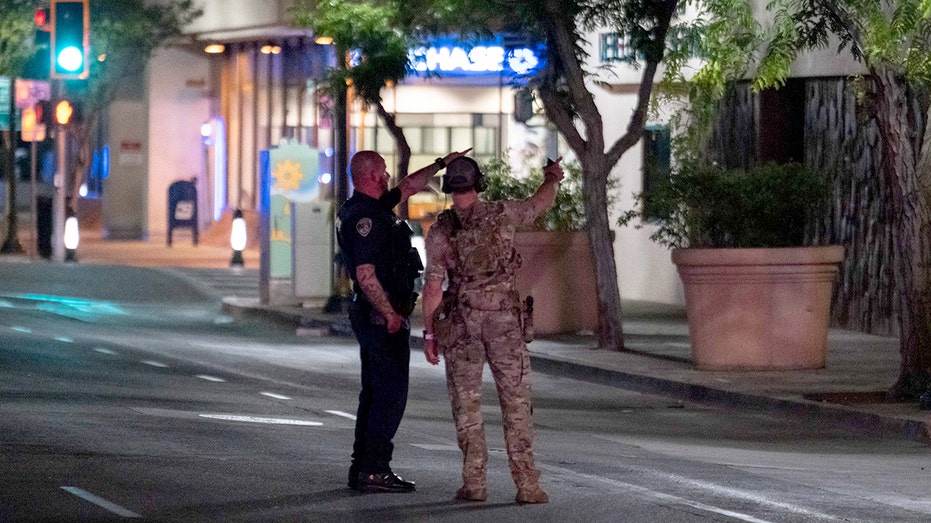
The standoff began Tuesday at approximately 1 p.m., when the Bakersfield Police Department received reports of a bomb threat at a Chase Bank building located at the intersection of Chester Avenue and 17th Street in downtown Bakersfield, the county seat of Kern County.
Upon arrival, local officers discovered that Searles-Harris had barricaded himself on the second floor of the building, which also houses offices for the Kern County Superintendent of Schools. Authorities quickly realized the situation was far more dangerous than a standard bomb threat.
According to Sid Patel, Special Agent in Charge of FBI Sacramento, the suspect had taken approximately 10 people hostage. Five of them were bound. Investigators confirmed that Searles-Harris claimed to have explosive devices strapped to his body — and visual confirmation by law enforcement supported that claim.
Even more disturbing, authorities say additional improvised explosive devices (IEDs) had been attached to some of the hostages. The FBI later confirmed there were “multiple” explosive devices at the scene, as well as additional items of concern.
- Approximately 10 individuals held hostage
- Five victims physically bound
- Explosives reportedly affixed to both the suspect and some captives
- Additional suspected IEDs discovered inside the building
The threat level immediately escalated, triggering a massive multi-agency response.
FBI Mobilizes Elite Hostage Rescue Team
As the situation developed, the FBI activated critical national resources. Specially trained SWAT teams from Los Angeles and Sacramento arrived by around 9 p.m., and by 2 a.m., federal authorities had assumed control of the operation.
Among the responding units was the FBI’s elite Hostage Rescue Team (HRT), part of the Bureau’s Critical Incident Response Group, commonly referred to as CIRG. The HRT is considered one of the country’s premier federal tactical units, specializing in counterterrorism and hostage rescue missions.
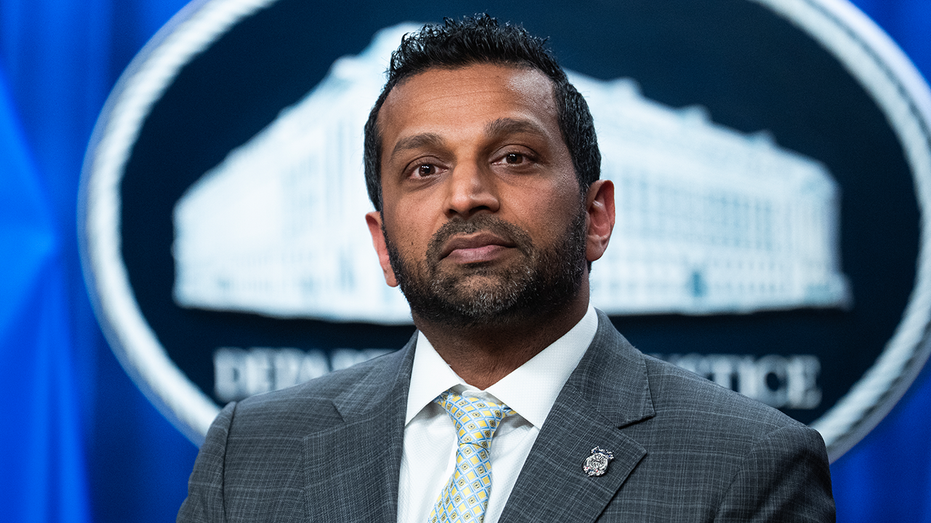
FBI Director Kash Patel praised the coordinated effort, stating that more than 150 federal personnel were involved in the operation, including:
- FBI SWAT operators
- Crisis negotiators
- Special Agent Bomb Technicians
- Intelligence and tactical support teams
After lengthy negotiations that spanned nearly 15 hours, the situation reached a critical juncture. At one point during the standoff, Searles-Harris released two bound hostages — one around 4 p.m., and another at approximately 8:30 p.m. Tuesday evening.
However, the danger levels remained extremely high.
A Medical Emergency Accelerates the Timeline
Authorities said one of the hostages was diabetic and had been communicating with law enforcement through her personal cell phone until its battery died.
Given her medical condition, officials believed her life was in immediate danger if the crisis continued much longer. According to Special Agent Patel, law enforcement determined that “this was a loss-of-life situation” if decisive action wasn’t taken.
Additionally, negotiators reported that the suspect’s behavior had grown increasingly erratic, increasing concern that he might detonate explosives or harm the hostages.
Faced with mounting risk, the FBI’s Hostage Rescue Team executed a breach operation. Agents ultimately shot and killed Searles-Harris at approximately 4:20 p.m. Wednesday. He was pronounced dead at the scene.
Not a single hostage was physically injured — a remarkable outcome given the complexity and volatility of the situation.
Suspect’s Criminal Past Raises Serious Questions
Public records indicate that Searles-Harris previously served in the U.S. Army from 2006 to 2007 but was discharged under dishonorable conditions after going absent without leave (AWOL).
Authorities also confirmed that he had a documented criminal history involving weapons offenses and violent conduct. In 2014, he was arrested on charges involving sex acts with a child under the age of 14. As a result, he became a registered sex offender under California law.
California maintains strict reporting and monitoring standards for convicted sex offenders, tracked publicly through Megan’s Law databases managed by the California Department of Justice. Searles-Harris was listed in that system.
Law enforcement officials indicated that during negotiations, the suspect frequently expressed frustration about his prior criminal case, including his sentencing and what he believed to be injustices in how it was handled.
Assistant Chief Jeremy Blakemore of the Bakersfield Police Department stated that most conversations suggested the suspect was primarily concerned with his past legal consequences, rather than specifically targeting the Kern County office or Chase Bank.
“There were specific elements he was very frustrated with,” Blakemore said, referencing the suspect’s prior conviction and aftermath.
Desire for Notoriety and Federal Attention
One striking detail from negotiators was the suspect’s apparent desire for national attention. According to officials, Searles-Harris asked early in the ordeal for the FBI to be involved and specifically requested FBI negotiators.
Investigators believe this may explain why he targeted a bank facility — increasing the likelihood of federal jurisdiction and intervention.
Authorities also confirmed they were aware of a YouTube video circulating related to the suspect but stated that no additional accomplices were involved. The FBI has made clear that Searles-Harris acted alone.
Corporate and Community Response
In a public statement, JPMorgan Chase expressed relief that employees and others held captive were safe. The bank branch will remain closed until further notice.
The company stated that it is focused on supporting its employees with counseling services and resources following what was undoubtedly a traumatic incident.
Meanwhile, the Bakersfield community is grappling with the shock of such a high-profile hostage crisis unfolding in the heart of downtown.
Law Enforcement Coordination: A Case Study in Crisis Response
This incident highlights the layered structure of American law enforcement — local police responding first, followed by federal reinforcements when threats escalate beyond regional capacity.
The seamless coordination between:
- The Bakersfield Police Department
- FBI Sacramento
- FBI Los Angeles
- The Hostage Rescue Team
likely prevented what could have been a catastrophic loss of life.
Hostage scenarios involving explosive devices are among the most dangerous threats law enforcement can face. According to federal guidelines, the presence of IEDs requires simultaneous negotiation, bomb disposal planning, tactical entry preparation, and medical assessment — all conducted under extreme pressure.
The decision to breach a building where explosives are present is never taken lightly. Officials must balance:
- The suspect’s mental state
- The hostages’ medical conditions
- The viability of continued negotiations
- The probability of detonation
In this case, authorities determined that waiting longer significantly increased the likelihood of innocent people dying.
The Broader Public Safety Picture
This case also underscores ongoing national challenges regarding repeat violent offenders and high-risk individuals with documented criminal histories.
While the American justice system allows for rehabilitation and reintegration, critics often argue that failures in monitoring or intervention can lead to devastating consequences. The fact that a registered sex offender with a known weapons history was able to orchestrate such a complex and dangerous standoff will likely prompt serious public debate.
Additionally, the case serves as a reminder of the mental health factors that sometimes intersect with violent criminal acts. Law enforcement negotiators are extensively trained to address emotional distress, manipulation tactics, suicidal ideation, and radical instability during hostage crises.
Still, when explosives are attached to multiple hostages, options narrow quickly.
A Successful Rescue — But a Sobering Reality
In the final analysis, every hostage survived. In a situation involving confirmed explosives, that outcome represents a significant tactical and operational success.
Federal and local officers placed themselves in harm’s way to ensure that innocent Californians would return home to their families. The precision timing of the breach and neutralization prevented what easily could have become one of the deadliest hostage incidents in recent California history.
At the same time, the ordeal raises tough questions about repeat offenders, criminal justice outcomes, and the dangerous intersection of grievance, notoriety-seeking, and access to weaponry.
The people of Bakersfield — and Americans nationwide — were reminded this week that evil can surface anywhere, even in the middle of a workday inside a downtown office building.
But they were also reminded of something else: when innocent life is under direct threat, American law enforcement stands ready. Through discipline, training, and courage, they prevented tragedy and upheld their oath to protect and serve.
For now, the hostages are home with their families. The suspect is dead. And a shaken community is left reflecting on how close it came to disaster — and how professionalism and resolve ensured that disaster was averted.