First Arrest From FBI’s “Most Wanted Fraudsters” List Signals New Era of Accountability
In what federal officials are calling a landmark moment in the fight against government corruption, a Minnesota man has become the first suspect captured from the FBI’s newly launched “Most Wanted Fraudsters” list.
FBI Director Kash Patel announced that Said Abdullahi Ereg, a former Minneapolis grocery store operator, surrendered to federal authorities less than a week after the U.S. Department of Justice unveiled the list in coordination with the White House Task Force to Eliminate Fraud.
The arrest marks what officials say is the beginning of a sweeping national crackdown targeting those accused of stealing millions—sometimes billions—from American taxpayers.
The Charges Against Said Abdullahi Ereg
Ereg, 47, faces multiple serious federal charges, including:
- Conspiracy to commit wire fraud
- Wire fraud
- Money laundering
According to federal prosecutors, Ereg allegedly orchestrated a scheme during the height of the COVID-19 pandemic to fraudulently obtain more than $4.2 million from a federally funded child nutrition program.
The program involved is tied to the U.S. Department of Agriculture’s Food and Nutrition Service, which administers the Federal Child Nutrition Program. These programs were expanded during the pandemic to ensure that school-age children continued receiving meals while schools were closed.
Instead, prosecutors allege, Ereg exploited the system.
How the Alleged Scheme Worked
Court documents claim Ereg operated Evergreen Grocery and Deli in south Minneapolis, Minnesota, under the sponsorship umbrella of a nonprofit organization called Feeding Our Future.
Feeding Our Future has already become synonymous with one of the largest COVID-era fraud investigations in the country. Federal authorities have described it as a massive pay-to-play scheme involving dozens of defendants and hundreds of millions of taxpayer dollars.
Prosecutors allege that Ereg falsely reported serving more than 3,000 meals twice per day, seven days a week—numbers that raise obvious red flags when compared to the size and typical output of a neighborhood grocery store and deli.
Authorities claim the fraudulent invoices triggered large reimbursements from federal child nutrition funds. The money, investigators say, did not go toward feeding vulnerable children. Instead, a portion was allegedly laundered through foreign accounts, while other funds reportedly financed a lavish personal lifestyle.
These allegations strike at the heart of pandemic-era emergency spending—money that was supposed to protect struggling American families during an unprecedented national crisis.
The “Most Wanted Fraudsters” Initiative
The arrest carries added significance because it represents the first apprehension linked to a newly created federal enforcement tool: the FBI’s “Most Wanted Fraudsters” list.
Unlike the long-established FBI Ten Most Wanted Fugitives list, which traditionally focuses on violent criminals and terrorists, this new list specifically targets individuals charged in major financial fraud cases.
Director Patel described the move as part of an aggressive strategy to restore accountability in Washington.
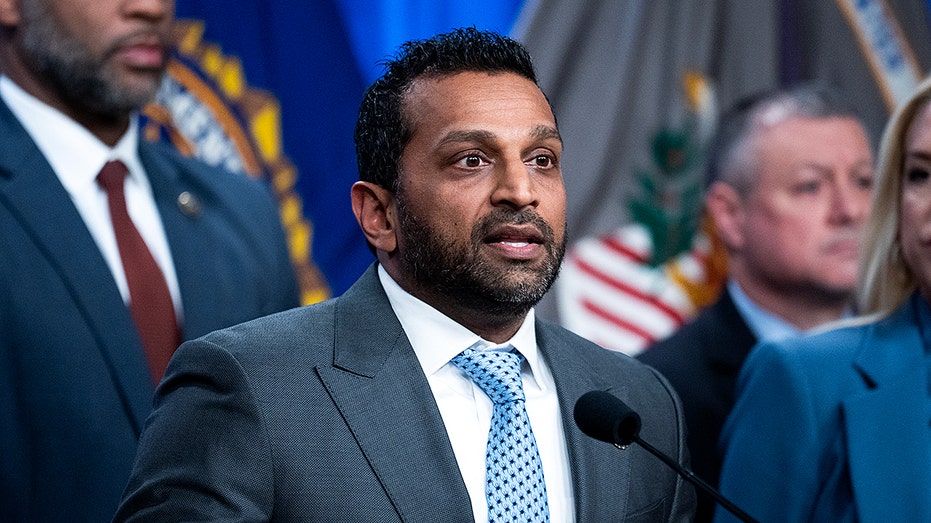
“Today’s arrest is historic – the first ever arrest of a subject on our Most Wanted Fraudsters List released last week with the White House Task Force to Eliminate Fraud,” Patel said in a statement.
He emphasized that the initiative was designed to publicly identify and pursue individuals accused of stealing large sums of taxpayer money, particularly during the COVID-19 relief period.
The White House Task Force to Eliminate Fraud
The enforcement push is closely tied to the White House Task Force to Eliminate Fraud, an interagency initiative led by Vice President J.D. Vance under the direction of President Donald Trump.
The Task Force was established to coordinate federal agencies in identifying, investigating, and prosecuting large-scale fraud involving federal funds. Its creation reflects growing bipartisan concern over pandemic-related spending abuses.
Trillions of dollars were authorized through emergency legislation such as the CARES Act and other COVID relief packages. While those measures were designed to stabilize the economy, subsequent audits and inspector general reports have found widespread fraud vulnerabilities.
Patel praised the coordination effort, stating that the days of Washington “turning a blind eye” to large-scale fraud are over.
In a post on X (formerly Twitter), Patel signaled that more arrests are likely to follow, calling the surrender “only the beginning.”
A Broader Pandemic Fraud Scandal
The Feeding Our Future case has already drawn national attention. According to the U.S. Attorney’s Office for the District of Minnesota, more than 70 defendants have been charged in connection with what prosecutors describe as a $250 million fraud scheme tied to child meal programs.
The scope of the alleged misconduct has shocked lawmakers and taxpayers alike. Funds intended to feed low-income children were instead allegedly redirected toward luxury vehicles, high-end real estate, and personal enrichment.
In prior court filings, prosecutors detailed how some defendants allegedly purchased mansions and luxury cars while claiming to serve thousands of daily meals that were never provided.
Ereg’s wife, Najmo Ahmed, who reportedly worked at the business and received payroll payments directly from Feeding Our Future, pleaded guilty last year to money laundering charges. She is scheduled to be sentenced later this month, according to Justice Department filings.
The family connection underscores how the alleged scheme was not simply a bookkeeping error, but what prosecutors describe as a coordinated effort to defraud the federal government.
Voluntary Surrender After Public Identification
Federal officials say Ereg contacted authorities through his attorney and indicated a willingness to return to the United States one day after the FBI publicly released the Most Wanted Fraudsters list.
That sequence of events highlights one of the list’s intended purposes: applying public pressure.
By publishing names and photographs, federal authorities aim to:
- Encourage public tips
- Restrict suspects’ ability to travel or conduct business
- Pressure suspects into surrendering
- Demonstrate visible action to the American public
Much like the Ten Most Wanted list historically served as both a law enforcement tool and a public awareness campaign, the new fraud-focused list is designed to signal seriousness and resolve.
Why This Matters to American Taxpayers
The significance of this arrest reaches far beyond one Minneapolis grocery store.
Pandemic-era fraud has cost American taxpayers tens of billions of dollars, according to estimates from government watchdogs and congressional oversight committees. Fraud in programs such as unemployment benefits, small business loans, and child nutrition assistance has strained public trust.
When funds meant for hungry children are allegedly diverted into luxury goods and foreign accounts, it undermines both compassion-driven policy and fiscal responsibility.
The crackdown sends a clear message: emergency assistance programs are not a blank check for criminal exploitation.
For patriotic Americans who expect their tax dollars to be handled responsibly, this case represents a renewed commitment to accountability.
The Role of the National Fraud Enforcement Division
The arrest also follows the Justice Department’s announcement of a newly formed National Fraud Enforcement Division.
This division is designed to centralize expertise, streamline investigations, and improve coordination across federal agencies such as the FBI, the Internal Revenue Service Criminal Investigation Division, and the Department of Health and Human Services Office of Inspector General.
By pooling data analytics, forensic accounting resources, and prosecutorial experience, the division aims to detect large-scale fraud patterns earlier and move faster to bring charges.
Ereg’s surrender suggests the coordinated model may already be producing tangible results.
Restoring Confidence in Federal Programs
Massive government spending during national emergencies is sometimes necessary. But without strong oversight, speed can create opportunity for abuse.
The alleged fraud in Minnesota—centered on fake meal counts and falsified reimbursement claims—illustrates how weak verification procedures during a crisis can open the door to bad actors.
That is precisely why enforcement efforts matter.
Holding suspects accountable serves multiple purposes:
- Recover stolen funds where possible
- Deter future misconduct
- Restore public faith in government programs
- Protect vulnerable Americans who depend on assistance
While the legal process will determine Ereg’s guilt or innocence, the arrest itself signals a change in tone from federal authorities: large-scale fraud will no longer be quietly overlooked.
The Road Ahead
Ereg now faces the federal court process, where prosecutors must prove their case beyond a reasonable doubt. If convicted, he could face significant prison time and financial penalties.
Meanwhile, the FBI’s Most Wanted Fraudsters list remains active, and additional names are expected to draw similar scrutiny.
Director Patel has framed this first arrest as a turning point—a visible demonstration that financial crime is not a victimless offense, especially when it targets resources meant for needy American children.
For citizens across the country, the message is unmistakable: stealing from taxpayers, especially during a national emergency, carries consequences.
As the investigations continue and court proceedings unfold, Americans will be watching closely. The fight against fraud may not grab headlines like violent crime, but it strikes directly at the nation’s pocketbook—and its principles.
And with this first arrest, federal authorities are making it clear that accountability is back on the agenda.
Wake Up America News — Your Source for Patriotic News.