Helicopter Rescue Underscores Dangers as Human-Caused Wildfire Sweeps Santa Rosa Island
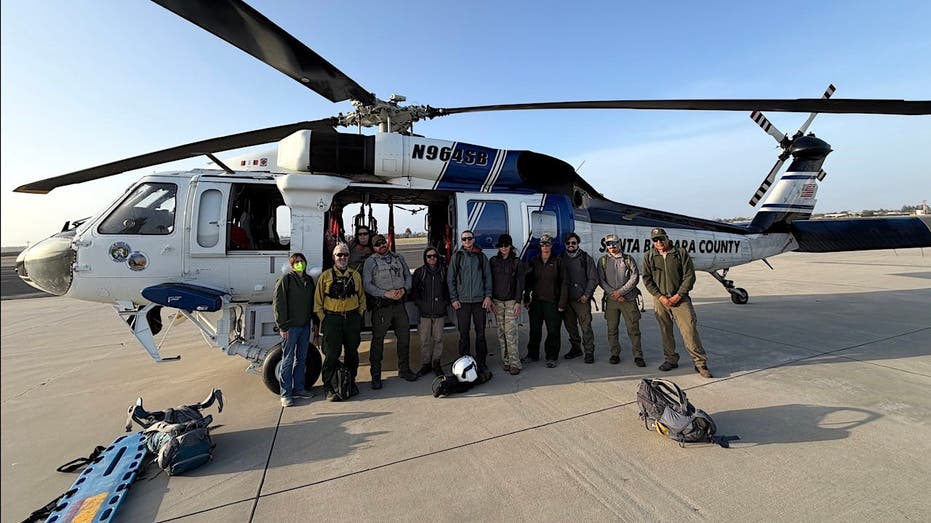
Eleven National Park Service employees were evacuated by helicopter Sunday after a rapidly spreading, human-caused wildfire tore across more than 10,000 acres on Santa Rosa Island in California’s Channel Islands National Park. The emergency airlift, carried out by the Santa Barbara County Fire Department, prevented park staff from being trapped as flames advanced toward employee housing.
The fire, which exploded in size amid dry vegetation and gusting winds, has become a stark reminder of the growing wildfire crisis in the American West — and the risks faced daily by those who protect our national treasures. At last report, the blaze was 0% contained and had already destroyed two structures on the remote island.
Swift Action Prevents Potential Tragedy
According to Santa Barbara County Fire officials, Helicopter 964 successfully evacuated all 11 National Park Service employees from the island Sunday evening without injury. The aircraft transported the employees to Oxnard Airport on the mainland, removing them from the path of a fire that threatened to cut off escape routes.
The workers were housed on Santa Rosa Island as part of routine operations within Channel Islands National Park, which is managed by the National Park Service. As flames intensified, officials determined aerial evacuation was the safest course of action.
In emergency environments like this, timing is everything. Wildfires on islands present unique logistical challenges:
- Limited evacuation routes
- Dependence on aircraft or boats for transport
- Rapid wind shifts over open water
- Restricted access to heavy firefighting equipment
Sunday’s coordinated response demonstrates how local and federal authorities can work together effectively when lives are on the line.
A Blaze of Human Origin Under Investigation
Officials have confirmed that the fire was human-caused and remains under investigation. Authorities have not publicly disclosed whether the ignition was the result of negligence or intentional activity.
According to CAL FIRE, the blaze had grown to approximately 10,025 acres by Sunday afternoon. The fire is burning primarily on the south side of Santa Rosa Island between Ford Point and South Point, consuming dry grasses and brush.
Human-caused wildfires account for a significant share of blazes in California each year. These incidents may stem from abandoned campfires, equipment sparks, arson, or other avoidable actions. When fires erupt in remote federal lands, they divert substantial taxpayer-funded resources into emergency response and recovery efforts.
As our nation invests billions in wildfire mitigation and forest health initiatives, preventable fires remain one of the greatest threats to both public safety and environmental stability.
Smoke Drifts Toward Mainland Communities
The fire’s impact has not been limited to the island. Smoke from the blaze has drifted eastward toward the California coast, affecting air quality in surrounding regions.
The National Weather Service San Diego office warned residents that near-surface smoke could persist for several days, depending on the fire’s progression and atmospheric patterns. Officials encouraged the public to monitor real-time air quality data through AirNow.gov, the federal government’s official air quality resource.
Wildfire smoke poses real health risks, particularly for:
- Children and the elderly
- Individuals with asthma or lung disease
- Outdoor workers
- People with cardiovascular conditions
Even fires burning dozens of miles offshore can significantly impact inland communities under certain wind conditions. For coastal California residents, the smell of smoke served as a reminder that wildfire season has once again arrived.
Santa Rosa Island: A Unique American Treasure
Santa Rosa Island is the second-largest of the eight Channel Islands located off Southern California’s coast. Positioned roughly 26 miles west of Santa Barbara, the island covers more than 53,000 acres and is known for its rugged terrain, windswept grasslands, and coastal cliffs.
Historic ranching operations shaped much of the island's landscape before it was integrated into Channel Islands National Park. Today, it stands as a federally protected ecosystem that draws researchers, conservationists, and visitors seeking unspoiled coastal wilderness.
Because of its isolation, Santa Rosa Island has become home to rare and fragile species found nowhere else on Earth.
Ecological Stakes: Rare Plants and Wildlife at Risk
Park officials have warned that the blaze threatens six plant species native exclusively to Santa Rosa Island. These endemic plants evolved in isolation over thousands of years and represent irreplaceable components of America’s natural heritage.
The island is also home to notable wildlife, including:
- The island fox, a subspecies found only on the Channel Islands
- The island spotted skunk
- Breeding populations of elephant seals along its shoreline
- Numerous migratory and native bird species
The island fox, in particular, has become a conservation success story after federal recovery efforts helped restore its population from near extinction. Any large-scale wildfire can disrupt habitat, alter food sources, and reshape entire ecological systems.
Fire is a natural part of many ecosystems, but when ignitions are human-caused and occur under extreme dryness, the intensity can exceed historical norms, increasing the risk of long-term environmental damage.
Over 70 Firefighters Engaged in Suppression Efforts
Approximately 70 firefighters and park rangers were engaged in active suppression Sunday evening. Firefighting operations on the island are complicated by the need to transport crews and equipment by air or sea.
Resources deployed include:
- Helicopters for water drops and personnel transport
- Hand crews constructing fire lines
- Air reconnaissance for mapping fire growth
- Coordination between federal and county authorities
Unlike mainland fires, where engines and bulldozers can be mobilized quickly by road, island incidents demand careful logistical planning. Weather conditions over open water can rapidly change flight safety and suppression tactics.
As of Sunday night, containment remained at zero percent, indicating active flame spread without established control lines fully encircling the fire.
Island Closed to Visitors
In response to the ongoing emergency, Santa Rosa Island has been closed to the public at least through the week, according to park authorities. Visitor closures are standard during major fire events to ensure safety and allow firefighters unobstructed operational space.
Channel Islands National Park normally supports hiking, wildlife viewing, kayaking, and backcountry camping. However, safety remains the priority when wildfires threaten infrastructure and natural resources.
The Broader Wildfire Challenge in California
California continues to experience increasingly severe wildfire seasons. Prolonged drought, dense vegetation buildup, and expanding development into wilderness areas have created a complex landscape of risk.
While climate factors often dominate headlines, the reality remains that human behavior plays a major role in ignition events. Carelessness, equipment misuse, and arson have collectively sparked thousands of fires over the years.
Taxpayers ultimately fund the response: aircraft operations, firefighter payroll, environmental rehabilitation, and infrastructure rebuilding. The evacuation of federal employees from Santa Rosa Island highlights the financial and safety consequences when fire prevention measures fail.
Preparedness and Prevention: A National Responsibility
Fires inside our national parks carry symbolic weight. These lands were set aside by previous generations to preserve America’s extraordinary landscapes for future citizens. When human-caused destruction threatens them, it underscores the shared responsibility Americans have to protect public lands.
Basic prevention steps include:
- Properly extinguishing campfires
- Complying with fire restrictions
- Maintaining equipment to prevent spark ignition
- Reporting suspicious activity immediately
Education and enforcement both play key roles in reducing preventable ignitions. In remote areas such as Santa Rosa Island, even a single negligent act can escalate into a large-scale emergency requiring federal and local resources.
Resilience and Professionalism on Display
Sunday’s helicopter evacuation serves as a powerful example of professional coordination and calm execution under pressure. The safe extraction of all 11 park employees reflects both preparedness planning and decisive action.
From the National Park Service to Santa Barbara County firefighters and supporting agencies, personnel demonstrated the competence Americans expect from those entrusted with safeguarding public lands and human life.
Wildfires are unpredictable by nature. Yet strong leadership, disciplined response, and clear communication can prevent injury and loss of life even under extreme circumstances.
What Comes Next
Fire crews will continue working to establish containment lines and protect remaining structures and sensitive habitats. Damage assessments will follow once conditions permit safe inspection.
Investigators will also seek to determine the specific cause of the fire. If negligence or criminal behavior is identified, accountability measures could follow under federal law.
Meanwhile, residents along the Southern California coast are encouraged to monitor air quality and follow guidance from state and federal agencies.
Protecting America’s Public Lands Requires Vigilance
The Santa Rosa Island wildfire is more than a regional incident. It is a reminder that America’s treasured natural landscapes remain vulnerable — not only to natural forces, but to human error.
Our national parks embody the spirit of conservation and stewardship dating back to President Theodore Roosevelt. They are symbols of national pride and shared responsibility.
As firefighters battle the blaze on this remote Pacific island, Americans can take pride in the professionalism of those standing the line. But pride must also be paired with accountability. Preventable wildfires threaten lives, ecosystems, and taxpayers alike.
The successful helicopter evacuation ensured that no lives were lost Sunday. Now the focus turns to containing the fire, protecting rare species, restoring damaged areas, and ensuring that lessons are learned.
America’s public lands are worth defending. And as this latest crisis shows, vigilance — from both citizens and officials — remains essential to preserving them for generations to come.