Major Federal Crackdown Targets Alleged $1.4 Million Welfare Fraud Scheme in Massachusetts
Federal law enforcement officials have announced a sweeping crackdown on alleged public benefits fraud in Massachusetts, resulting in the arrest of 15 individuals accused of stealing more than $1.4 million in taxpayer-funded assistance programs. According to the U.S. Department of Justice, 11 of the 15 defendants are suspected to be in the United States illegally.
The arrests, unveiled at a press conference in Boston, represent the latest phase of a broader federal initiative aimed at uncovering fraud within public assistance systems designed to help America’s most vulnerable citizens. Prosecutors say the case not only exposes serious financial misconduct but also highlights systemic weaknesses that allegedly allowed fraudsters to exploit programs funded by hardworking American taxpayers.
Programs Targeted in the Alleged Scheme
According to federal prosecutors, the defendants are charged with fraudulently obtaining benefits across several major government assistance programs. These programs are intended to support low-income families, seniors, disabled individuals, and those temporarily out of work.
The affected programs reportedly include:
- The Supplemental Nutrition Assistance Program (SNAP), overseen federally by the U.S. Department of Agriculture
- MassHealth, Massachusetts’ Medicaid program
- Disability benefits administered through the Social Security Administration
- Federal and state housing assistance programs
- Unemployment insurance benefits managed at the state level
Investigators allege that the defendants used false statements, stolen identities, and other fraudulent schemes to access these benefits. In several cases, authorities claim individuals assumed the identities of American citizens to secure assistance unlawfully while evading detection.
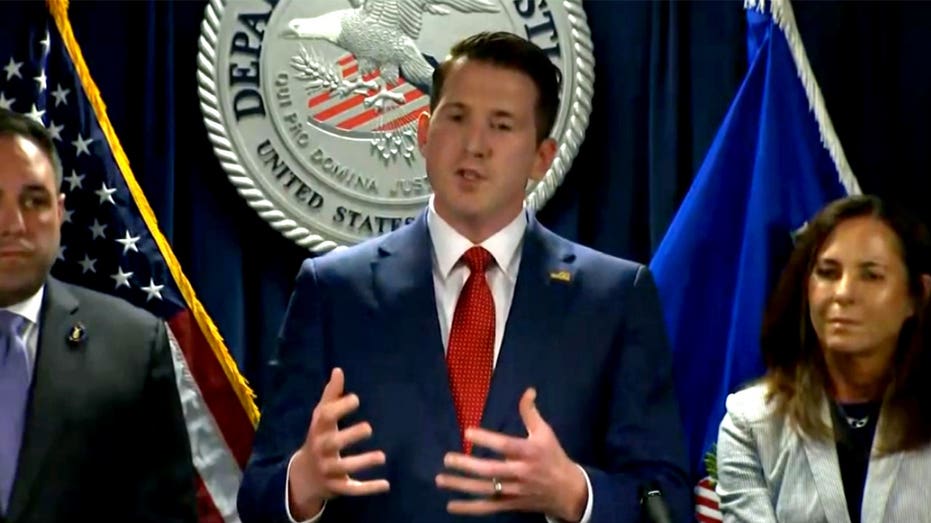
Acting Assistant Attorney General Colin McDonald stated during the announcement that 11 of the charged defendants are believed to be in the country illegally. Some allegedly used stolen personal information belonging to lawful U.S. residents in order to obtain benefits and avoid scrutiny.
A Striking Individual Case
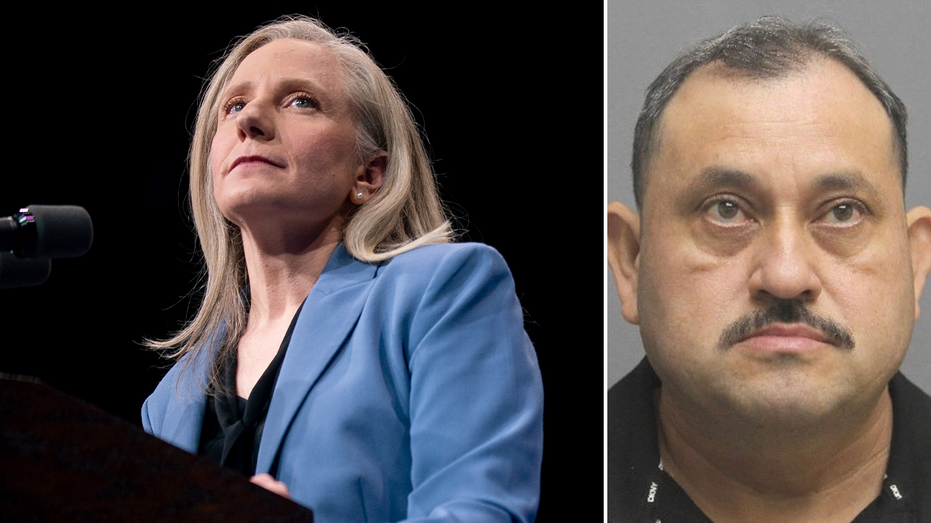
One of the most significant cases involves Heriberto Rodriguez of Framingham, Massachusetts. Prosecutors allege Rodriguez fraudulently obtained more than $546,000 in government benefits across multiple programs, including MassHealth, Social Security disability payments, housing assistance, and SNAP benefits.
While all defendants are presumed innocent until proven guilty in a court of law, authorities assert that this particular case demonstrates how extensive fraud can become when oversight gaps are exploited over time.
Officials did not provide complete details on the length of time over which the alleged fraud took place, but they emphasized that the cumulative losses reflect sustained schemes rather than isolated incidents.
Identity Theft and American Victims
Federal officials stressed that beyond the financial losses, the alleged crimes had real human consequences. In some instances, individuals whose identities were stolen reportedly discovered they were unable to access benefits because records indicated assistance had already been claimed under their names.
That means innocent Americans — including citizens legally entitled to help — may have faced delays or denials of services due to fraudulent activity.
“In some cases, the victims of these crimes, the rightful beneficiaries of these funds, could not access benefits they needed,” McDonald said during the news conference.
Identity theft tied to government benefits has become an increasing concern nationwide, particularly following expanded relief programs during the COVID-19 pandemic. Many states, including Massachusetts, saw unprecedented levels of unemployment and emergency assistance disbursements — and with them, new opportunities for organized fraud.
Broader Massachusetts Fraud Investigations
U.S. Attorney Leah Foley for the District of Massachusetts confirmed that the 15 arrests are part of an ongoing, large-scale federal effort to crack down on public assistance fraud throughout the Commonwealth.
Since January, federal prosecutors in Massachusetts have charged more than 65 defendants in fraud-related cases, alleging losses exceeding $56 million. When combined with other previously announced investigations, authorities estimate that approximately $63 million in alleged fraud losses have been charged in the past seven months alone.
The cases involve assistance programs at both the state and federal levels and reflect coordinated efforts between multiple law enforcement offices.
The investigation behind the latest arrests included substantial support from Homeland Security Investigations (HSI), a division of U.S. Immigration and Customs Enforcement, as well as several Offices of Inspectors General responsible for rooting out fraud within federal agencies.
Inspector General offices, such as the Social Security Administration Office of the Inspector General, are specifically tasked with detecting waste, abuse, and fraud in taxpayer-funded programs. These offices have dramatically increased investigations over the past several years in response to rising fraud complaints.
The National Context: A Growing Fraud Problem
The Massachusetts cases reflect a much broader national problem. During and after the COVID-19 pandemic, public benefit programs expanded quickly to respond to economic shutdowns and public health measures. In that rush, oversight controls were sometimes weakened or overwhelmed.
For example, the U.S. Department of Labor previously estimated that tens of billions of dollars in unemployment insurance benefits nationwide may have been paid improperly during the pandemic era. Fraud networks — including international rings — were discovered exploiting identity theft and digital vulnerabilities.
The SNAP program, Medicaid systems administered through individual states, and housing assistance programs have also faced increased scrutiny due to identity-based fraud schemes.
While the overwhelming majority of recipients use benefits lawfully and in genuine need, prosecutors argue that sophisticated fraud operations divert critical resources away from those who truly depend on them.
Concerns Over Immigration and Benefit Access
One of the most politically sensitive aspects of the Massachusetts case is the allegation that 11 of the 15 defendants are suspected illegal immigrants. Under current federal law, most non-citizens who are in the country unlawfully are not eligible for federal public assistance benefits, with limited exceptions for emergency services.
Prosecutors allege that some defendants attempted to bypass eligibility restrictions by assuming stolen identities belonging to American citizens or lawful residents. If proven, such actions would represent not only financial fraud but also federal identity theft violations.
The issue comes amid ongoing national debates over border security, immigration enforcement, and the fiscal strain on state-level assistance programs. States like Massachusetts, which have expanded certain health and housing supports, have faced mounting budgetary pressures as caseloads increase.
Critics argue that insufficient verification procedures can incentivize abuse, while supporters of expanded assistance stress that fraud should be prosecuted aggressively without undermining lawful aid to needy families.
Taxpayer Impact and Oversight Challenges
Every dollar lost to fraud represents funds that could otherwise support veterans, seniors, struggling families, and individuals with disabilities. At a time when federal deficits remain high and inflation pressures household budgets, safeguarding public resources has become a bipartisan concern.
Oversight challenges include:
- Balancing rapid benefit delivery with thorough identity verification
- Coordinating databases across federal and state agencies
- Preventing duplicate benefit claims across states
- Combating increasingly sophisticated identity theft operations
MassHealth, for example, serves more than two million Massachusetts residents. Administering a program of that size requires verifying eligibility while ensuring legitimate beneficiaries are not wrongfully delayed. Similar administrative burdens confront SNAP and Social Security disability systems nationwide.
Law enforcement officials say new data-matching tools and interagency cooperation are helping identify suspicious patterns more quickly. However, retrospective audits often uncover fraud that has been ongoing for years.
What Happens Next?
The defendants now face federal charges, and their cases will proceed through the court system. If convicted, penalties could include restitution, substantial fines, and prison time.
Prosecutors emphasized that this week's arrests are unlikely to be the last. Officials indicated that ongoing investigations are examining additional suspicious claims and potential co-conspirators.
“The further we look, the more fraud we find,” McDonald said, signaling that more enforcement actions may soon follow.
Federal authorities stressed that rooting out fraud requires sustained effort, continued data analysis, and cooperation between agencies at every level of government.
Protecting the Integrity of America's Safety Net
America’s public assistance programs were created to reflect the nation’s core values — compassion for the vulnerable, respect for hard work, and a commitment to equal opportunity. Programs like SNAP, Medicaid, and Social Security disability exist to ensure that citizens facing hardship are not left behind.
But as this case in Massachusetts demonstrates, those same programs can become targets for abuse when sufficient safeguards are not enforced or when criminal actors deliberately exploit weaknesses.
Ensuring program integrity is not simply a matter of accounting. It protects the dignity of American taxpayers who fund these systems. It safeguards citizens whose identities can be stolen and misused. And most importantly, it ensures that limited resources reach the individuals and families for whom they were intended.
The developments in Massachusetts serve as a strong reminder that oversight, enforcement, and transparency are essential to maintaining trust in government programs. As federal investigators continue their work, many Americans will be watching closely — not only to see justice served in these particular cases, but also to gauge whether deeper reforms will follow.
For taxpayers across the country, the message from federal prosecutors was clear: fraud in public benefit programs will be pursued aggressively, and additional accountability measures may be forthcoming.
At a time when public confidence in government institutions faces strain, restoring accountability — and protecting the integrity of systems funded by the American people — remains a responsibility that transcends party lines. The coming months may reveal just how extensive this crackdown ultimately becomes.