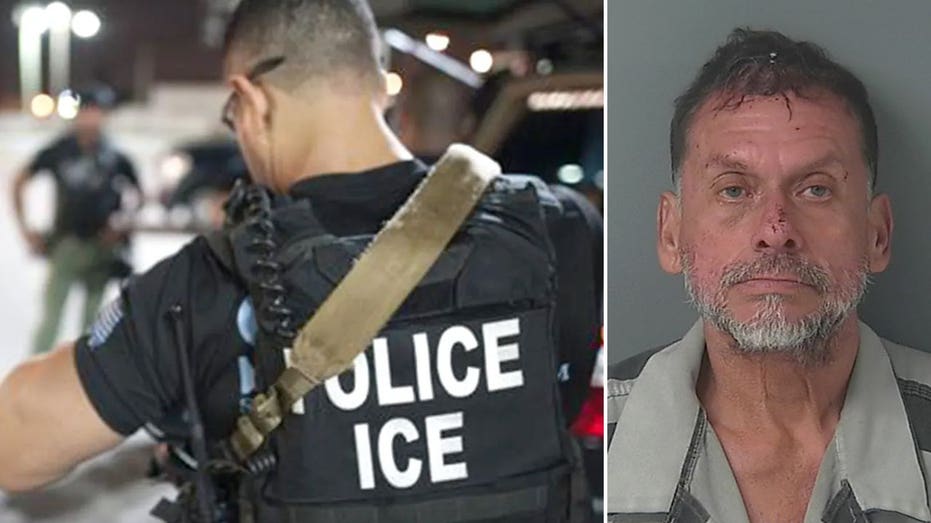
Twice-Deported Illegal Immigrant Accused of Spraying Gunfire at Texas Neighborhood in Violent Memorial Day Incident
A quiet Memorial Day weekend in Montgomery County, Texas, was shattered when authorities say a twice-deported Mexican national opened fire in a residential neighborhood, sending bullets toward homes and shocking local families.
The suspect, 60-year-old Juan Ayala Montero, was arrested May 24 after a dangerous standoff that ended only when a specialized tactical unit stepped in. According to officials, Ayala allegedly fired more than two dozen rounds during an altercation that left a 17-year-old injured and forced neighbors to take cover.
Now facing serious felony charges—and the subject of an immigration detainer—Ayala’s case raises renewed questions about repeat unlawful entry, local-federal law enforcement cooperation, and the effectiveness of programs designed to protect American communities from violent offenders.
What Happened in the Kings Colony Neighborhood
Deputies with the Montgomery County Sheriff’s Office responded to reports of active gunfire in the Kings Colony subdivision, a residential area north of Houston. Callers reported that an armed man was firing in the direction of neighbors during a dispute.
When law enforcement arrived, investigators say Ayala was armed with a long gun and had already discharged multiple rounds. Shell casings littered the scene. Authorities ultimately recovered approximately 31 spent casings, indicating the intensity of the shooting.
Initially, 911 callers feared multiple victims. After securing the area and assessing the aftermath, investigators determined that one individual—a 17-year-old male—had been struck by gunfire. The teen was transported to a local hospital, treated, and later released.
Investigators alleged that Ayala fired toward several homes and residents during the confrontation. Witnesses reportedly attempted to calm the situation and persuade him to lower the weapon, but authorities say the gunfire continued.
SWAT Deployment and Arrest Without Further Violence
Once deputies arrived in force, Ayala retreated into his residence and barricaded himself inside, escalating the incident into a tense standoff. The situation prompted the activation of the Sheriff’s Office SWAT team, trained to handle high-risk barricade and hostage scenarios.
After negotiations and law enforcement positioning, Ayala eventually surrendered without additional shots being fired. He was taken into custody peacefully, avoiding further risk to officers or nearby residents.
He has since been charged with felony deadly conduct involving the discharge of a firearm. Under Texas Penal Code Section 22.05, deadly conduct can be charged when an individual knowingly discharges a firearm at or in the direction of people or habitation, placing others in imminent danger.
Montgomery County jail records show Ayala is being held on an $80,000 bond.
Contradictions and Charges Against the Teen
In a twist that complicated the investigation, the 17-year-old involved in the original dispute was later charged with making a false report to a peace officer. According to authorities, some of the information he initially provided was untruthful and hindered parts of the investigation.
Making a false report to law enforcement is a criminal offense in Texas and can divert critical resources during emergency situations. Officials have not disclosed the specific discrepancies but confirmed that investigators uncovered inconsistencies significant enough to warrant charges.
Importantly, however, authorities maintain that substantial physical evidence, including shell casings and witness accounts, supported the charge against Ayala for firing at the neighborhood.
ICE Detainer Placed on Suspect
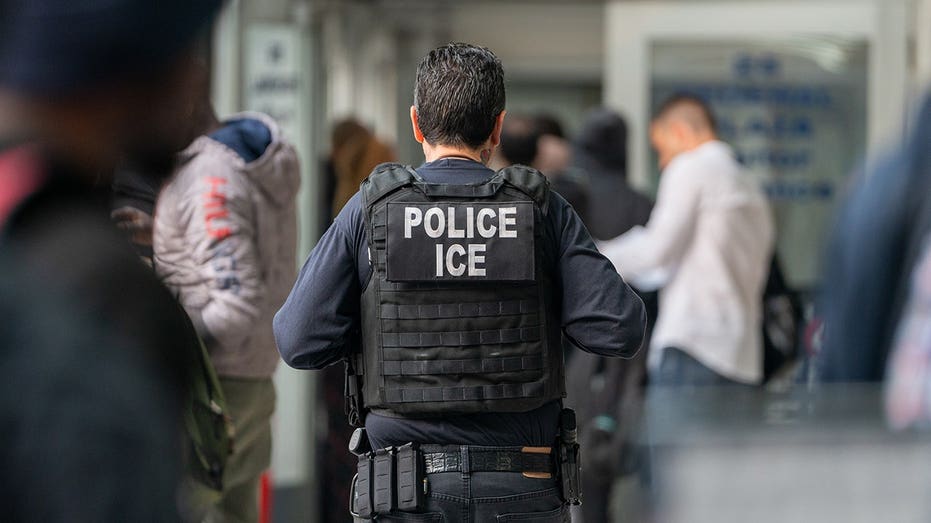
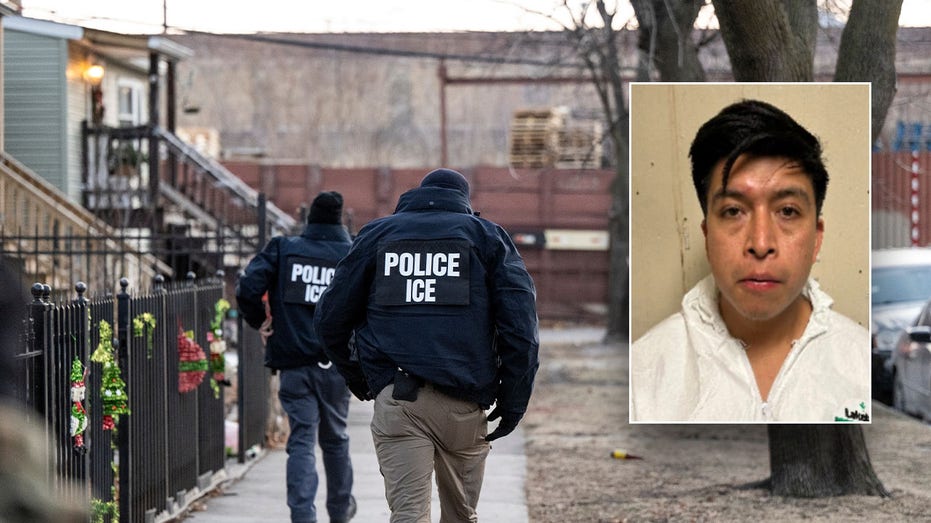
Following Ayala’s arrest, U.S. Immigration and Customs Enforcement (ICE) lodged both an immigration detainer and a federal detainer against him after determining he was in the country unlawfully.
An ICE detainer asks local law enforcement agencies to notify federal immigration officials before releasing a deportable individual and to hold the individual briefly to allow federal pickup.
According to ICE, Ayala is a Mexican citizen who has been deported from the United States twice previously and has allegedly reentered illegally multiple times.
A History of Removal and Reentry
Federal immigration records show that an immigration judge ordered Ayala removed from the United States on August 31, 1999. He was deported to Mexico on August 30, 2000.
After allegedly returning unlawfully, he was encountered again by authorities following a 2006 arrest by the Dallas Police Department. He was transferred into ICE custody and removed to Mexico the same day.
Officials now allege that Ayala entered the United States a third time on an unknown date prior to his most recent arrest in Montgomery County.
Illegal reentry after removal is a federal offense under 8 U.S.C. § 1326. Individuals convicted of unlawful reentry after deportation can face enhanced penalties, particularly if they have prior felony convictions.
Prior Criminal Convictions Add to Concerns
Ayala’s record reportedly includes a conviction for attempted homicide as well as criminal trespass during a period when he was unlawfully present in the United States.
Attempted homicide is considered a serious violent felony. While detailed records of that prior case were not immediately released in this incident, the existence of such a conviction underscores broader questions about repeat offenders and public safety.
Cases involving violent criminal histories combined with multiple unlawful entries often draw intense scrutiny from both federal and local authorities.
The Role of the 287(g) Program
Officials credited the Montgomery County Sheriff’s Office participation in ICE’s 287(g) program with helping identify Ayala’s immigration status quickly and place the appropriate detainer.
The 287(g) program—authorized under Section 287(g) of the Immigration and Nationality Act—allows state and local law enforcement agencies to enter into partnerships with ICE. Under these agreements, designated local officers receive training to perform certain immigration enforcement functions under federal supervision.
Supporters argue that 287(g) agreements enhance cooperation, speed up identification of removable offenders, and prevent dangerous individuals from being released back into local communities.
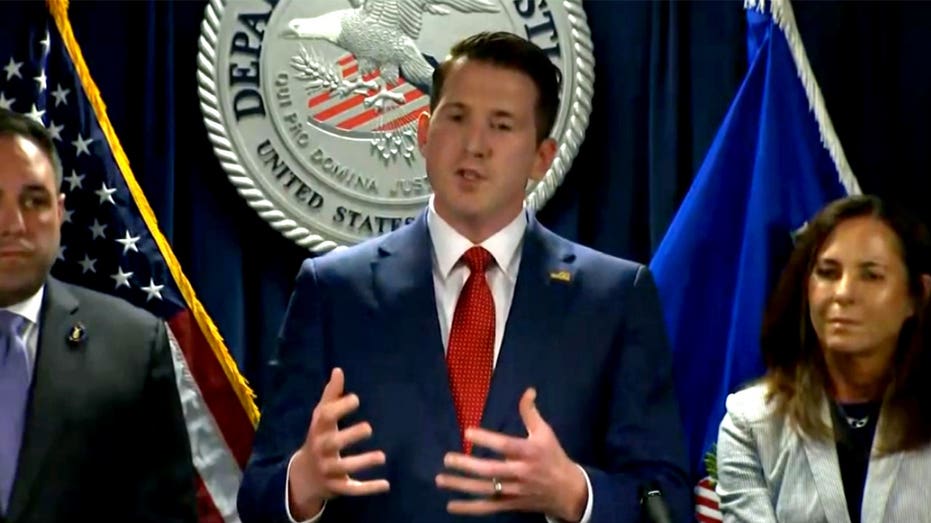
ICE Enforcement and Removal Operations Houston Acting Field Office Director Gabriel Martinez emphasized that point in a public statement, noting that the arrest and detainer demonstrate how such partnerships can strengthen local public safety efforts.
Public Safety and Immigration Enforcement Debate
Incidents like this one often reignite national debate surrounding border security, local-federal cooperation, and the handling of repeat offenders who unlawfully reenter the country.
Critics of more restrictive immigration enforcement policies argue that immigration status alone does not determine criminal behavior. However, supporters of stricter enforcement stress that individuals with prior deportations and violent histories present heightened risks if allowed to reenter and remain undetected.
In states like Texas—where border security is a front-burner issue—local authorities frequently emphasize coordination with federal agencies as a critical component of crime prevention.
The state of Texas has taken an assertive stance on border and immigration enforcement in recent years, repeatedly calling for stronger federal action to prevent illegal crossings and ensure removal of those with criminal histories.
The Legal Road Ahead
Ayala now faces both state and potential federal consequences.
- State level: Prosecution for felony deadly conduct involving discharge of a firearm.
- Federal level: Potential prosecution for illegal reentry after deportation.
- Immigration level: Removal proceedings following resolution of criminal charges.
If convicted on the state charge, Ayala could face significant prison time under Texas law. Federal prosecution for illegal reentry could add additional penalties, particularly given his prior removal history and felony background.
Meanwhile, the ICE detainer ensures that local authorities coordinate with federal officials before any possible release.
Community Impact and Broader Implications
For residents of Kings Colony, the incident was a jarring reminder that violent situations can erupt even in suburban neighborhoods. The recovery of 31 shell casings underscores how rapidly a dispute can escalate into life-threatening danger.
Law enforcement officials have emphasized the importance of prompt reporting and cooperation with investigations. At the same time, they highlight the risks presented when legally removed individuals reenter the country and accumulate new criminal charges.
From a public policy standpoint, this case will likely be cited in ongoing debates over enforcement at the border, interior immigration partnerships, and how best to address repeat unlawful entry.
A Test of System Accountability
At its core, this case represents multiple layers of accountability:
- Accountability for violent criminal behavior in a residential neighborhood.
- Accountability for providing truthful information during police investigations.
- Accountability for repeated violations of U.S. immigration law.
Local residents expect law enforcement to protect neighborhoods from gun violence. Federal authorities are tasked with enforcing immigration laws designed to prevent repeated unlawful entry, particularly by individuals with prior criminal records.
As the court process unfolds, the people of Montgomery County—and Americans nationwide—will be watching closely. The outcome will serve as another data point in the broader conversation about law enforcement cooperation, border integrity, and the safety of American communities.
For now, one thing is clear: the swift response by deputies, the deployment of SWAT, and coordination with federal immigration officials prevented further injury in what could have become a much deadlier tragedy.
Wake Up America News will continue to follow developments in this case and report on how local and federal authorities carry out their duty to defend public safety under the rule of law.