Passengers Spring Into Action After Midair Chaos on Frontier Flight
What began as a routine domestic flight from the U.S. territory of Puerto Rico to the Midwest ended in chaos, a federal criminal charge—and a powerful reminder of why law and order matter at 30,000 feet.
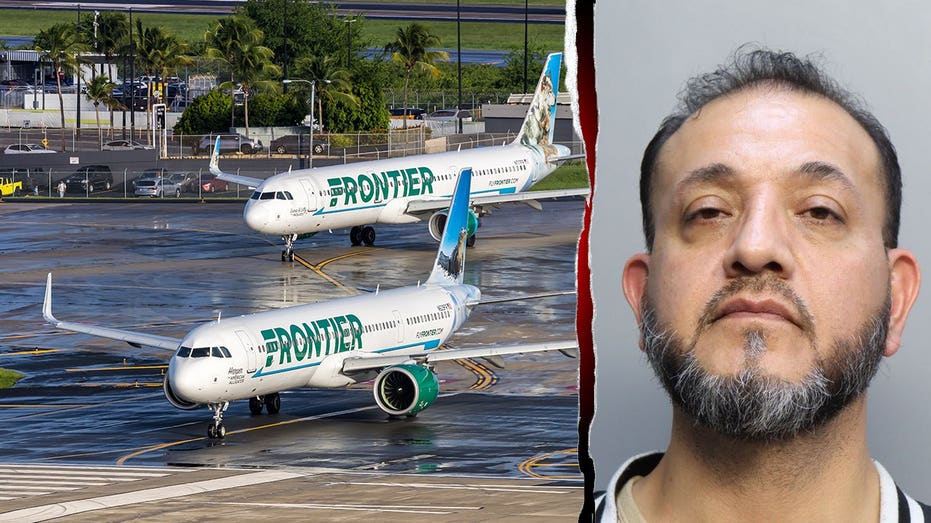
Federal prosecutors have charged a Chicago man after he allegedly attacked fellow passengers, attempted to open aircraft doors mid-flight, and assaulted an off-duty flight attendant aboard Frontier Airlines Flight 3345 earlier this week. The plane, which departed from San Juan and was bound for Chicago, was forced to divert to Miami as terrified passengers and crew worked together to stop the unfolding violence.
According to the U.S. Attorney’s Office for the Southern District of Florida, 51-year-old Juan Gabriel Reyes of Chicago is facing federal charges of interfering with flight crew members and attendants, as well as assault within maritime and territorial jurisdiction—serious offenses that carry potentially steep penalties.
A Routine Flight Turns Dangerous
Flight 3345 departed San Juan, Puerto Rico, en route to Chicago O’Hare International Airport on Sunday evening. About 45 minutes after takeoff, authorities say Reyes began acting in a disruptive and alarming manner.
According to court documents, Reyes allegedly attempted to open two exit doors while the aircraft was in flight. Aviation safety protocols make such behavior not only illegal but extraordinarily dangerous. While modern commercial aircraft are designed with pressurization systems that make it nearly impossible to open doors at cruising altitude, the attempt alone creates panic and significant risk for everyone onboard.
The Federal Aviation Administration (FAA) later confirmed that the flight crew reported a passenger disturbance, prompting the aircraft to divert to Miami International Airport. The aircraft landed safely at approximately 11:55 p.m. local time.
But before that safe landing could occur, the situation inside the cabin allegedly spiraled out of control.
Attempts to Access the Cockpit
Federal authorities say Reyes also attempted multiple times to open the flight deck door. Since the terrorist attacks of September 11, 2001, cockpit doors have been reinforced and secured under federal law to prevent unauthorized access. Any attempt to breach the flight deck is treated as an extremely serious offense.
According to investigators, after those alleged attempts failed, Reyes sat in a seat that was not assigned to him and then confronted a 33-year-old off-duty flight attendant who happened to be seated nearby.
Witnesses told law enforcement that Reyes lunged at the off-duty crew member, grabbed him by the head, and began choking him. That violent assault triggered immediate intervention from other passengers and another flight attendant.
Passengers Refuse to Stand By
In a moment that could have turned catastrophic, ordinary Americans stepped up.
Passengers reportedly used flex cuffs and seatbelt extenders to restrain Reyes. However, authorities say he broke free multiple times, continuing to pose a threat to those around him.
That’s when one passenger, identified in media reports as Brazilian jiu-jitsu practitioner Josh Longood, took decisive action. Speaking to reporters after the incident, Longood described physically restraining Reyes by pinning him down in his row and controlling his wrists and legs.
“I just grabbed him, restrained him as safely as possible, kind of just really put him in his row and laid him down,” Longood said. “It was like holding a kid down throwing a tantrum.”
Video footage shared online shows multiple passengers assisting in holding Reyes down until the aircraft could land safely in Miami. Their actions likely prevented additional injuries—or worse.
In an era when airline disturbances have made headlines far too often, this incident underscores the value of vigilance and courage among everyday Americans who refuse to let chaos reign.
Federal Charges and Potential Penalties
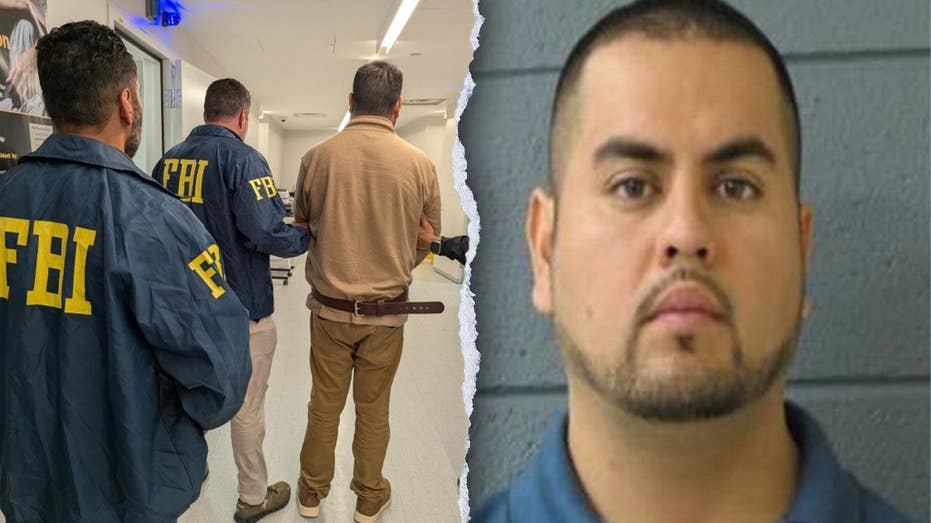
After landing in Miami, Reyes was taken into custody and booked into the Miami-Dade County jail system. Federal prosecutors formally charged him with:
- Interference with flight crew members and attendants
- Assault within maritime and territorial jurisdiction
Under federal law, interference with a flight crew is a felony offense that can carry a sentence of up to 20 years in prison if convicted. The assault charge carries an additional potential penalty of up to one year behind bars.
Cases like this typically involve both the FBI’s Miami Field Office and federal aviation authorities. Because commercial aircraft operate in federal airspace and cross state and territorial boundaries, jurisdiction falls under federal law rather than state law.
Federal officials have not publicly disclosed a motive, and Reyes remains presumed innocent unless proven guilty in a court of law.
The Broader Issue: Rising Air Travel Disruptions
This case does not stand alone. In recent years, incidents involving unruly passengers have surged. The FAA has repeatedly warned that interference with flight crew members will result in aggressive enforcement.
Under federal regulations, interfering with a flight crew is prohibited because it jeopardizes:
- The safety of passengers
- The pilot’s ability to operate the aircraft
- Cabin crew members responsible for emergency procedures
- The overall security of the flight
Federal aviation law treats these incidents with gravity because midair disturbances can escalate rapidly. Unlike incidents on the ground, there is no easy exit strategy at cruising altitude. The nearest safe landing location may be hundreds of miles away.
Diverted flights also carry significant costs. An emergency diversion can require fuel dumping, additional air traffic coordination, and operational disruption affecting hundreds of downstream passengers. Ultimately, such behavior costs airlines—and travelers—time and money.
Why Aircraft Doors Cannot Be Opened at Cruising Altitude
Despite scenes in Hollywood thrillers, opening a commercial aircraft door mid-flight at cruising altitude is virtually impossible due to cabin pressurization.
Airplanes maintain higher cabin pressure inside than the thin air outside at altitude. This pressure difference effectively seals plug-type cabin doors shut. Attempting to open them while airborne is futile—but the chaos and fear triggered by such attempts can cause serious safety risks.
Even if a door cannot be physically opened at high altitude, any attempt to tamper with emergency exits violates federal aviation law and can trigger immediate forceful intervention by crew members.
The Importance of Reinforced Cockpit Security
Attempts to access the flight deck are treated as particularly alarming. After 9/11, Congress implemented sweeping aviation security changes requiring reinforced cockpit doors and strict access protocols.
The hardened cockpit system is designed to ensure that only authorized crew members can access the flight deck. Flight attendants are trained to guard the cockpit during entry and exit procedures to minimize risk.
Any attempt to breach that secure barrier can quickly transform a disturbance into a perceived security threat. That reality is why federal charges in these cases often carry severe penalties.
Courage at 30,000 Feet
While prosecutors and investigators move forward, one fact stands out: passengers and crew acted decisively to protect one another.
Commercial aviation relies not just on technology, but on the shared responsibility of everyone onboard. When individuals put others in danger, it is often fellow citizens who must step up before law enforcement can intervene.
The bravery displayed by passengers on Flight 3345 reflects something deeper about American society. In moments of crisis, everyday men and women frequently rise to the occasion—without hesitation.
What Happens Next
Reyes will face federal court proceedings in the Southern District of Florida. Prosecutors will have to prove beyond a reasonable doubt that he knowingly interfered with the flight crew and committed assault within federal jurisdiction.
If convicted, the potential prison time could serve as a strong deterrent reminder: dangerous behavior in the sky will not be excused or minimized.
Meanwhile, Frontier Airlines has reiterated that the safety of passengers and crew remains its top priority. The aircraft ultimately continued its journey after authorities removed the suspect.
A Clear Message From Federal Authorities
Federal aviation officials have consistently emphasized zero tolerance for violent or disruptive conduct onboard aircraft. The federal statute governing interference with flight crew members exists because lives are at stake in every flight.
Air travel remains statistically one of the safest forms of transportation in the United States. That safety depends on strict enforcement of the rules and immediate accountability when those rules are broken.
As this case proceeds, it stands as a warning: whether in the skies over Florida or anywhere else in the nation, attempts to endanger passengers or intimidate flight crews will be met with swift federal action.
Law and order do not stop at the runway. And thanks to the courage of passengers who refused to stand by, Flight 3345 concluded not in tragedy, but in safety.
Wake Up America News — Your Source for Patriotic News.