Tragic Loss on Florida’s Coast Raises New Questions About Boating Safety
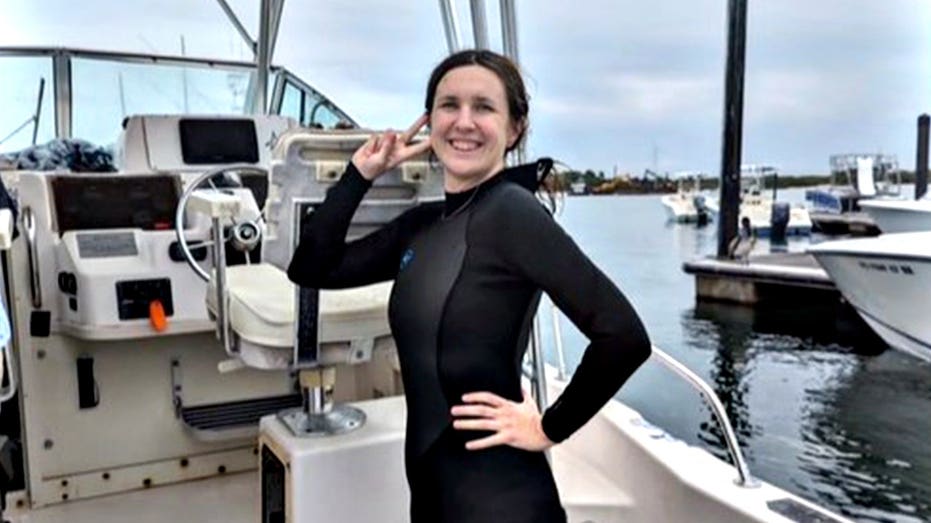
A devastating discovery along Florida’s southeastern shoreline has left a grieving family, shocked colleagues, and a tight-knit aviation community asking urgent questions about safety in one of America’s most popular coastal destinations. Authorities have confirmed that a woman whose body washed ashore near Hollywood Beach earlier this month was Kellie Melinda Williams, a 31-year-old American Airlines flight attendant based in South Florida.
Investigators with the Florida Fish and Wildlife Conservation Commission (FWC) say preliminary findings indicate Williams suffered blunt-force injuries consistent with a vessel strike while snorkeling. The incident has renewed concerns about boat-and-swimmer safety in crowded recreational waters, particularly during peak tourism season.
Body Discovered Along Hollywood Beach
On the evening of June 3, two fishermen near Hollywood Beach spotted something unusual in the surf. As they pulled the object closer to shore, they realized it was the body of a woman. Witnesses say the men dragged her onto the sand around 8 p.m., prompting an emergency response.
The discovery occurred near Hollywood, Florida, a heavily visited coastal city located between Fort Lauderdale and Miami. The area is known for its bustling boardwalk, beachgoers, and steady marine traffic ranging from jet skis to offshore boats.
Authorities later identified the victim as Kellie Williams. According to investigators, she had been snorkeling during the day in the waters off Dr. Von D. Mizell-Eula Johnson State Park, a scenic coastal preserve just south of Port Everglades.
Investigation Points to Possible Vessel Strike
The FWC, which oversees boating enforcement and wildlife protection across the state, has confirmed that Williams’ injuries were “consistent with a vessel strike.” Her cause of death was determined to be blunt-force trauma.
Officials say investigators are working alongside local law enforcement from the Hollywood Police Department to determine exactly what happened — and whether a specific vessel can be identified.
At this time, authorities have not publicly named any suspects or indicated whether a boat operator is in custody. It remains unclear whether the incident was the result of reckless behavior, operator negligence, or an unfortunate accident in congested waters.
The investigation is ongoing, and law enforcement officials are urging anyone who operated a boat near the state park on June 3 to come forward if they have information.
A Life Cut Short
Kellie Williams was not just another headline. She was a newlywed, an experienced flight attendant, and by all accounts a vibrant young woman building a life in Florida.
According to her family, Williams had recently gotten married and relocated to South Florida. She worked as a flight attendant at Miami International Airport, one of the busiest travel hubs in the nation and a major gateway to Latin America and the Caribbean.
The Association of Professional Flight Attendants (APFA), which represents American Airlines cabin crew members, expressed deep sorrow over her passing. In a message shared with members, colleagues described Williams as a respected teammate and valued professional.
“It is with great sadness that we share the passing of our colleague and fellow MIA Flight Attendant,” the union said. “Our thoughts and heartfelt condolences are with Kellie’s family, friends, and loved ones during this difficult time.”
American Airlines also released a statement expressing condolences and support for Williams’ family and coworkers.
For those who serve in the airline industry — often spending more time in the air than on the ground — the tragedy strikes especially hard. Flight attendants form close bonds, and news like this reverberates far beyond a single airport base.
Boating in Florida: A Growing Concern
Florida leads the nation in registered recreational vessels. According to data published by the FWC, the Sunshine State consistently reports more than one million registered boats — more than any other state in America.
With that distinction comes elevated risk. The combination of year-round warm weather, heavy tourism, fishing charters, jet skis, and personal watercraft creates crowded waterways — particularly in South Florida.
Boating accidents in Florida typically fall into several categories:
- Collisions between vessels
- Groundings in shallow areas
- Passengers falling overboard
- Swimmer or diver strikes
- Propeller-related injuries
Vessel strikes involving snorkelers and divers, while less common than boat-to-boat crashes, often result in severe or fatal injuries due to the force of impact and rotating propellers.
Dr. Von D. Mizell-Eula Johnson State Park is popular for:
- Snorkeling near rock jetties
- Recreational boating near Port Everglades
- Fishing from both shore and boats
- Paddleboarding and kayaking
The park’s proximity to busy marine channels, including traffic entering and leaving Port Everglades, can present navigational challenges.
Legal Responsibilities of Boat Operators
Under Florida law, boat operators are required to maintain a proper lookout at all times and operate their vessels at safe speeds relative to surrounding conditions. The FWC enforces these laws and has the authority to charge operators with criminal violations in cases involving reckless behavior.
Key obligations for vessel operators include:
- Adhering to no-wake zones
- Keeping a safe distance from swimmers and divers
- Yielding to dive flags
- Avoiding distracted operation
Florida law requires divers to display a red-and-white diver-down flag while in the water. Boaters must remain at least 300 feet away in open waters and 100 feet away in rivers or navigation channels when such a flag is visible.
If Williams was actively snorkeling in an area marked by a dive flag, investigators will likely examine whether those rules were followed. If no flag was present, questions may also surface regarding awareness and precaution in known snorkeling zones.
Tourism and Safety: A Delicate Balance
Hollywood Beach and surrounding communities depend heavily on tourism revenue. South Florida’s coastline draws millions of visitors each year who come for recreation, leisure, and water sports.
But increased traffic on land and sea brings safety challenges. As population growth continues and tourism surges during peak months, waterways once considered quiet can quickly become congested.
Florida officials have invested in boating safety campaigns, but enforcement ultimately depends on individual responsibility.
This tragic case highlights the fragile line between recreation and risk — especially in shared-use waters where swimmers and powerboats operate in close proximity.
A Community in Mourning
The loss of a young American airline professional resonates beyond local headlines. Flight attendants represent the face of American travel — the men and women who ensure passenger safety thousands of feet above ground.
Williams’ colleagues at Miami International Airport reportedly held moments of silence and shared tributes among crew members. For many, the news was difficult to process.
Friends described her as adventurous and warm — someone who loved the ocean and sought out its beauty.
Her parents have said she was passionate about snorkeling, a hobby many Floridians and visitors safely enjoy every day. That familiarity with the water only deepens the heartbreak for those who knew her.
The Investigation Continues
As of this writing, investigators have not publicly identified a vessel believed to be involved in the incident.
Key questions remain:
- Was a boat operator aware of striking someone in the water?
- Did anyone report hull or propeller damage after June 3?
- Were marine surveillance cameras or tracking data available?
- Were dive safety markers visible in the area?
Authorities may examine marina records, boat repair logs, and vessel tracking technology as part of their inquiry. In some cases, forensic examination of hull damage can help match a boat to injury patterns.
Investigations involving watercraft can take time, especially when no immediate witnesses connect a specific vessel to a strike.
A Sobering Reminder for Boaters and Swimmers
This tragedy serves as a reminder that America’s waterways — however beautiful — demand vigilance.
For swimmers and snorkelers:
- Always use a visible dive flag
- Stay within designated swim zones when possible
- Avoid high-traffic boating channels
- Snorkel with a partner whenever feasible
For boat operators:
- Reduce speed near shorelines
- Keep constant watch for swimmers
- Avoid alcohol while operating a vessel
- Respect posted marine safety boundaries
As Americans embrace outdoor freedom and recreation — values deeply embedded in our national way of life — personal responsibility remains paramount.
Honoring a Life
Kellie Melinda Williams embodied the hardworking spirit of countless Americans who build careers in service industries that power our nation’s economy. As a flight attendant for American Airlines, she played a critical role in maintaining the safety and comfort of passengers traveling across the country and around the globe.
Her loss leaves behind not only grieving parents and a husband, but also a professional community that relies on unity and teamwork.
While investigators continue their search for answers, one truth remains certain: a vibrant young American life ended too soon in waters that should have promised peace.
In the coming weeks, authorities are expected to release further details as evidence develops. Until then, the coastal community of Hollywood — and the broader aviation family anchored at Miami International Airport — mourns a daughter, colleague, and friend.
And for millions of Americans who enjoy Florida’s shores each year, this heartbreaking case stands as a solemn reminder that freedom on the water must always be paired with accountability and awareness.