Minnesota Governor Grants Clemency to Illegal Immigrant Convicted of Armed Robbery Before ICE Deportation
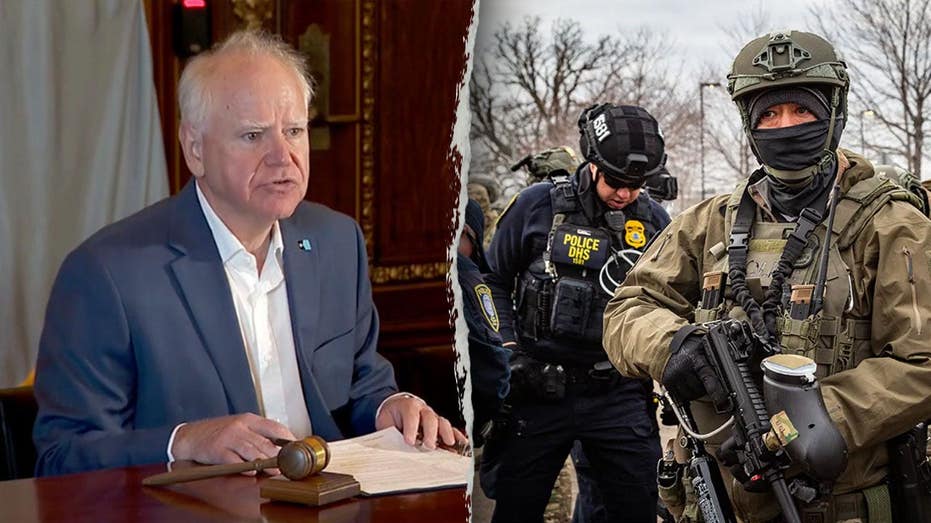
Minnesota Governor Tim Walz has ignited a firestorm of controversy after granting a pardon to an illegal immigrant previously convicted of armed robbery—just as federal immigration authorities were preparing to deport him to Laos.
The decision, made through Minnesota’s Board of Pardons Clemency Review Commission, effectively intervened in a federal immigration process and has renewed debate over states’ rights, executive clemency, public safety, and the role of state officials in federal immigration enforcement.
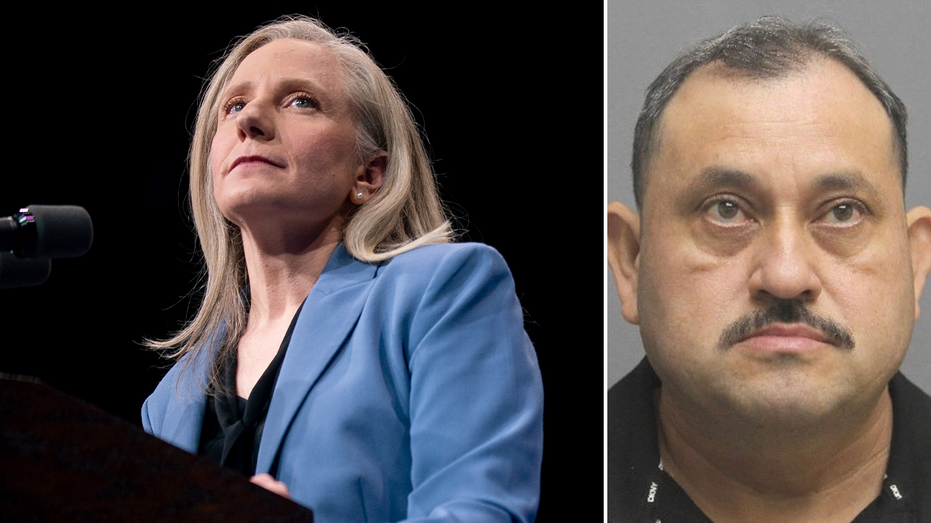
At the center of the case is Jai Vang, a Laotian national convicted in 1994 of aiding and abetting armed robbery in Hennepin County, Minnesota. While supporters describe him as rehabilitated and productive, critics argue that pardoning a non-citizen with a violent felony conviction sends a troubling message about accountability and the rule of law.
The Original Crime and Conviction
In 1994, at age 18, Jai Vang was convicted of aiding and abetting armed robbery in Hennepin County District Court. Armed robbery is classified as a serious violent felony in Minnesota and typically involves the use—or threat—of a weapon during the commission of theft.
According to Minnesota criminal statutes, armed robbery carries significant penalties because it poses a severe threat to public safety. Vang served his prison sentence and was eventually released.
Under U.S. immigration law, however, a conviction for an aggravated felony—including certain violent crimes—can trigger mandatory removal from the United States. The legal framework governing deportations is outlined in the Immigration and Nationality Act (INA), which outlines grounds for deportability, including criminal convictions.
ICE Arrest During Operation Metro Surge
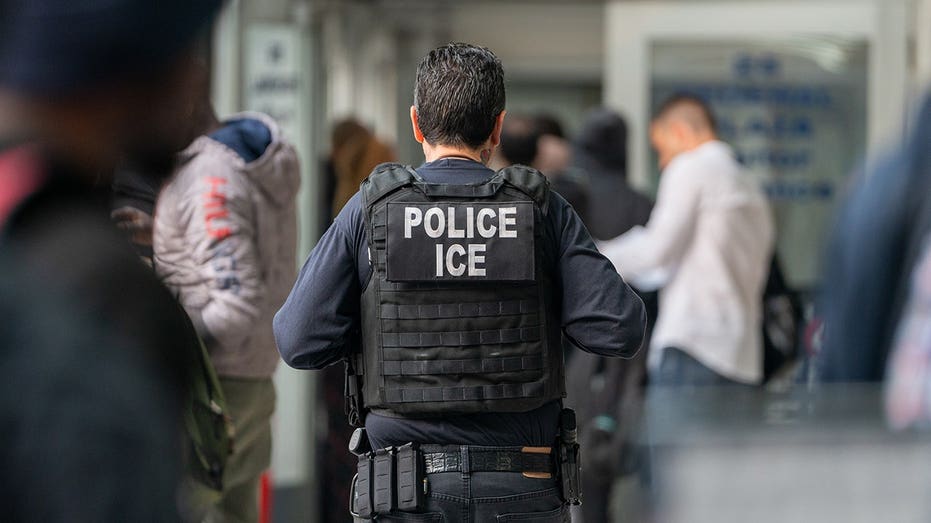
Earlier this year, U.S. Immigration and Customs Enforcement, a division of the U.S. Department of Homeland Security (DHS), launched enforcement efforts in the Minneapolis–St. Paul area under an initiative known as Operation Metro Surge.
ICE’s stated mission is to enforce federal immigration laws and remove non-citizens who are subject to deportation, particularly those with criminal convictions. The agency operates under the authority of DHS, which is responsible for border security, immigration enforcement, and national security.
Vang was arrested by ICE agents in January as part of those enforcement actions. According to federal authorities, his prior armed robbery conviction made him removable under federal law.
A Rare Emergency Clemency Review
After learning of the pending deportation, Governor Walz called for an expedited review by Minnesota’s clemency authorities.
Minnesota’s Board of Pardons is composed of three officials:
- The governor
- The Minnesota Attorney General (currently Keith Ellison)
- The Chief Justice of the Minnesota Supreme Court
All three officials must agree in order for a pardon to be granted.
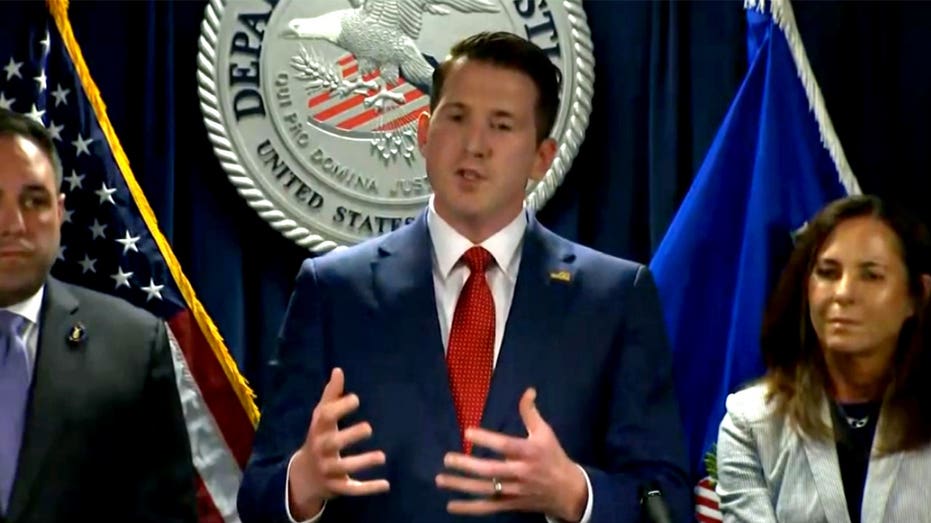
In this case, the Clemency Review Commission convened before ICE could complete deportation proceedings. Attorney General Ellison participated by phone, and Chief Justice Natalie Hudson joined the review. The board voted unanimously to grant Vang a pardon.
The commission reasoned that:
- Vang had not committed additional crimes since his release.
- He had established a family in Minnesota.
- He owns a local painting business.
- He was viewed as contributing economically to his community.
Governor Walz’s Rationale
During the clemency proceeding, Governor Walz defended his decision by arguing that deportation would not enhance public safety.
"I can find no reason how Minnesota will be safer or better if Mr. Vang is deported to a country he has not been to since he was a child," Walz said, adding that Vang had become a taxpaying member of the community and a job creator.
Walz also emphasized Vang’s family ties and business ownership, portraying him as rehabilitated and integrated into Minnesota’s economy.
However, critics note that during the hearing Walz referred to Vang as a “citizen,” despite the fact that he is not a U.S. citizen and was subject to removal proceedings precisely because of his immigration status.
State Clemency vs. Federal Immigration Law
The controversy underscores a complex legal intersection: while a governor may pardon a state criminal conviction, immigration enforcement remains federal jurisdiction.
A state pardon can eliminate the legal basis for certain deportation grounds tied directly to that conviction. However, immigration enforcement authority rests exclusively with the federal government under the U.S. Constitution’s Supremacy Clause.
The U.S. Immigration and Customs Enforcement (ICE) agency enforces federal statutes passed by Congress. Governors do not have authority over immigration policy, deportation priorities, or removal proceedings.
This separation of powers has sparked broader national debate over so-called “sanctuary” policies and state-level resistance to federal immigration actions.
Tensions Between Minnesota and Federal Authorities
Governor Walz has previously clashed publicly with federal immigration officials over enforcement operations in Minnesota.
During earlier operations, Walz sharply criticized ICE agents, comparing certain enforcement activities to historical authoritarian regimes. Those comments drew rebukes from federal officials who argued that such rhetoric endangered law enforcement personnel by demonizing officers carrying out lawful orders.
Federal officials have emphasized that ICE targets individuals with criminal convictions when prioritizing limited enforcement resources.
Under the Trump administration, immigration enforcement saw increased emphasis on removing individuals with criminal records. Enforcement priorities are subject to change depending on the executive branch’s directives and DHS guidelines.
Public Safety Concerns Raised by Critics
Opponents of the pardon argue that an armed robbery conviction is not a minor offense and should not be lightly dismissed—even decades later.
Armed robbery involves the use of force or threat with a weapon, creating serious risk of injury or death. Law enforcement organizations often stress that violent felonies carry long-term public safety implications.
Critics question whether economic contributions alone justify erasing a conviction for such a serious offense. They argue that:
- Victims of violent crimes deserve consideration.
- Pardoning violent offenders undermines deterrence.
- A state-level pardon may conflict with federal enforcement priorities.
Many also argue that immigration enforcement is a matter of national sovereignty, not state discretion.
Supporters Point to Rehabilitation and Family Ties
Those backing the pardon say that the criminal justice system should recognize rehabilitation.
They point out that Vang completed his sentence, reportedly remained crime-free for decades, and built a business supporting local jobs. Advocates argue that permanent banishment to a country he left as a child would impose hardship on his family and may not serve any present-day public safety purpose.
The clemency process exists precisely to address cases where rigid application of law may not reflect evolved circumstances.
Supporters also highlight that pardons have long been part of American tradition. The power of executive clemency is embedded in federal law under Article II of the U.S. Constitution, and at the state level through state constitutional provisions.
The Broader National Debate
The Vang case arrives at a time of heightened national debate over immigration enforcement, sanctuary cities, and the balance between compassion and law enforcement.
Immigration remains one of the most contentious policy issues in the United States. The U.S. Congress holds authority to revise immigration statutes, yet legislative gridlock has left enforcement practices heavily influenced by presidential administrations and agency policy guidance.
Meanwhile, border security remains under the purview of U.S. Customs and Border Protection (CBP), while interior enforcement falls primarily to ICE.
States like Minnesota often find themselves navigating complex political terrain between federal mandates and local political pressures.
Key Legal and Policy Questions
This case raises important questions for policymakers and voters alike:
- Should state pardons nullify the immigration consequences of violent felonies?
- What role should rehabilitation play in deportation decisions?
- How should state officials balance economic contributions against past violent crimes?
- Is it appropriate for governors to intervene in cases actively under federal review?
While the clemency decision may resolve Vang’s immediate legal jeopardy, it does not settle those broader policy debates.
Political Implications in Minnesota and Beyond
Minnesota has increasingly become a focal point in debates over crime and public safety, particularly in the Minneapolis area. State leadership faces competing pressures from law enforcement advocates, immigrant rights groups, business leaders, and voters concerned about violent crime.
Governor Walz’s decision will likely resonate beyond Minnesota as governors in other states consider how aggressively to use clemency powers in immigration-related cases.
With immigration consistently ranking among top voter concerns nationwide, decisions like this can carry significant electoral consequences.
The Intersection of Law, Accountability, and Compassion
At its core, the Vang pardon illustrates the ongoing tension between mercy and justice.
On one hand, the American system allows for redemption and second chances. On the other, critics argue that upholding immigration law and protecting public safety are foundational responsibilities of government.
Whether Governor Walz’s intervention is seen as compassionate leadership or misplaced leniency will ultimately be judged in the court of public opinion.
What remains clear is this: immigration enforcement, executive clemency, and public safety are not abstract policy issues. They involve real communities, real victims, and real consequences.
As Americans continue to debate how best to uphold the rule of law while recognizing human complexity, cases like this will remain at the center of our national conversation.
For Minnesota and for the nation, the question is not simply whether Jai Vang deserved mercy. The deeper issue is how America balances sovereignty, justice, and second chances in an era of intense political division.
That debate is far from over.